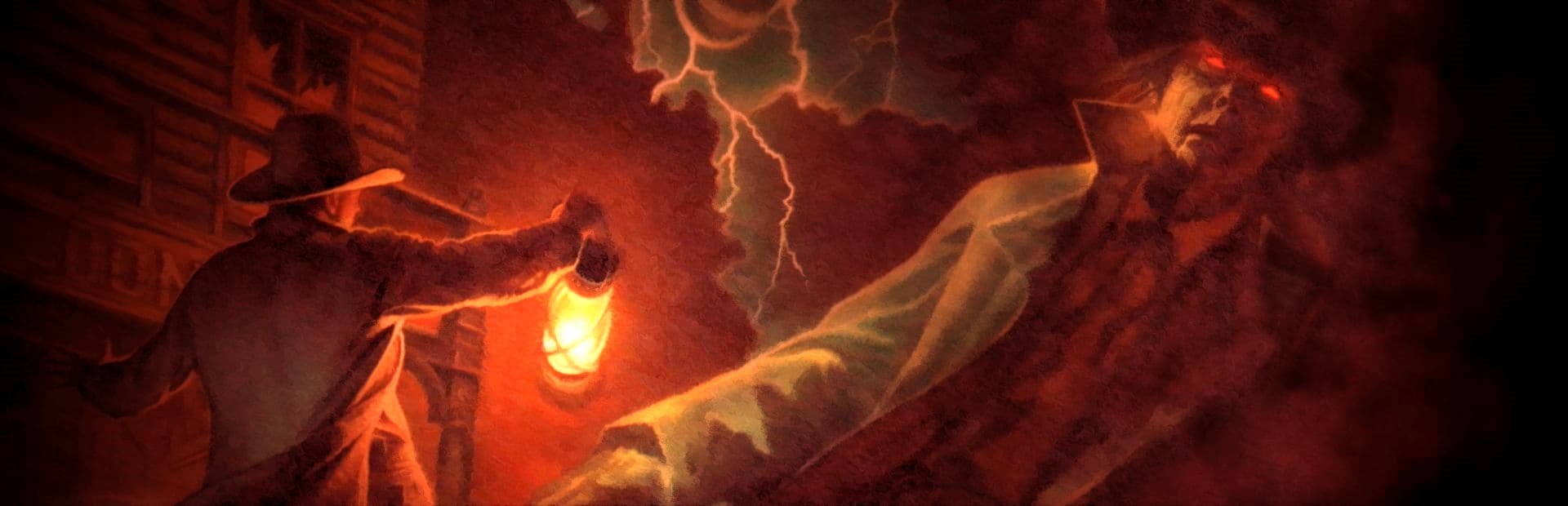
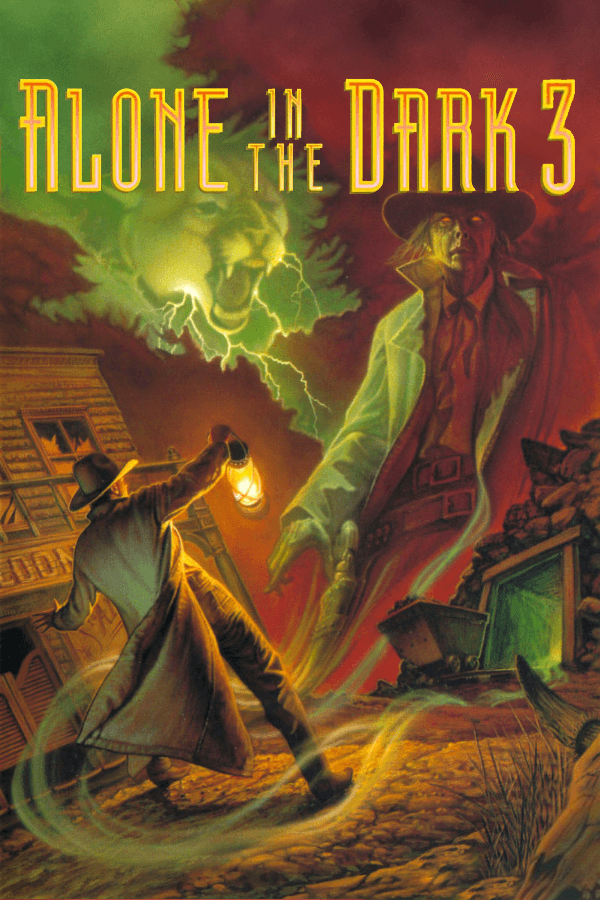

Alone in the Dark 3 swaps spooky Victorian mansions for the dusty ghost town of Slaughter Gulch, replacing machine-gun chaos with zombie cowboys and multi-step item puzzles. It brings Edward Carnby back to his detective roots, even if turning into a cougar or shrinking to mouse size stretches the occult plot past its breaking point.
The second game in the series traded survival horror for wall-to-wall shootouts. Many players felt that shift ruined the eerie atmosphere of the original. For this third installment, developer Infogrames pulled back on endless gunfights and returned to riddle-heavy exploration.
Set in 1926, the story follows private investigator Edward Carnby into California's Mojave Desert. A movie crew has vanished in Slaughter Gulch while filming a Western. Among the missing is Emily Hartwood, returning from the first game. Carnby quickly learns that an undead desperado named Jed Stone has cursed the entire town.
The development team underwent major shifts before production began. Series creator Frédérick Raynal and lead programmer Franck de Girolami both departed the studio. Writers Hubert Chardot and Christian Nabais took over narrative duties, with Christiane Sgorlon directing and Bruno Bonnell producing.
To widen the game's appeal, the developers added a crucial feature. This was the first entry in the trilogy to offer customizable difficulty settings. Players who struggled with the clunky melee combat of the previous entries could finally turn down the action and focus on solving puzzles.
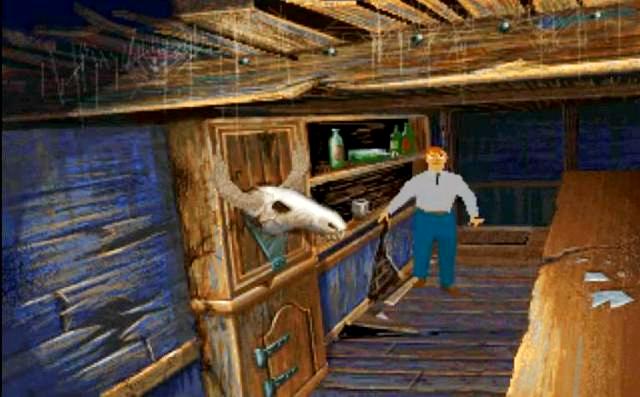
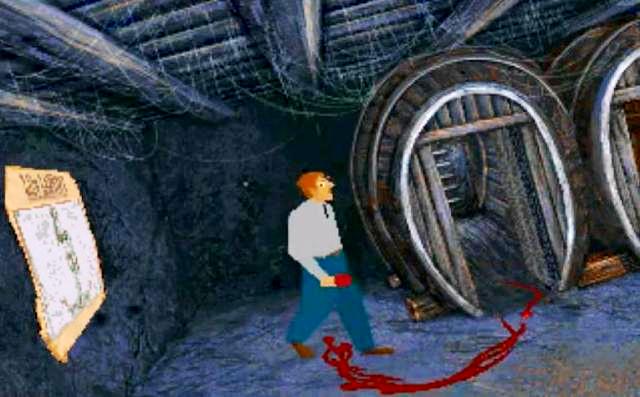
Progressing through Slaughter Gulch requires navigating a string of distinct environments. You explore a dusty saloon, a creepy cemetery, dark underground caverns, hazardous lava pits, and a ghost train. Every location packs hazardous encounters with trigger-happy zombie cowboys, sharpshooters, deranged prospectors, mutants, and even werewolves.
Defeating these undead foes usually demands specific items rather than raw firepower. For instance, you must shoot one particularly greedy desperado with a special gold bullet to clear a path. Other key inventory items include a lump of uranium, a golden eagle nugget, and ancient Native American artifacts.
The puzzle logic gets increasingly bizarre as you get deeper into the adventure. At various points, Carnby shrink down to the size of a mouse to navigate tiny spaces. Later on, he dies and reincarnates as a cougar so he can return a stolen eagle artifact, all while interacting with a mysterious Indian shaman.
These narrative shifts split players and critics down the middle. Some reviewers welcomed the weird twists, but others felt the plot looked like several scrapped script ideas stitched together. The progression remains heavily linear, forcing you to use specific items on exact interactive hotspots in a rigid sequence.
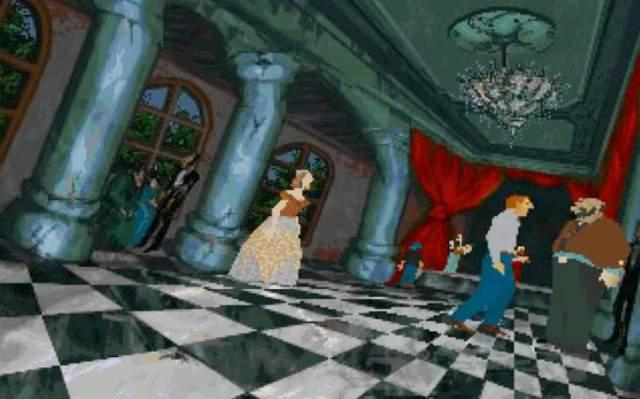
Like its predecessors, the game uses flat pre-rendered background art paired with low-polygon 3D characters. In 1995, this approach allowed for dramatic camera angles that looked cinematic on standard VGA screens. However, the system introduces severe gameplay headaches during frantic battles.
Fixed camera perspectives often hide approaching enemies just off-screen. Stepping across an invisible trigger line shifts the view instantly, frequently disorienting your movement during combat. You will often waste precious ammunition firing at enemies you cannot see properly.
Connecting items to the environment is another source of friction. Picking up small items or aligning Carnby to unlock a door requires pixel-perfect positioning. If Carnby stands a few inches off, the action command fails, leaving you guessing whether you have the wrong item or just bad alignment.
The visual presentation also suffers from aging 3D technology. The flat-shaded polygon models display a chaotic array of bright colors that clash with the dark pre-rendered scenery. Retrospective players frequently criticize these character models as a confusing visual mess.
Contemporary gaming magazines generally gave the title high marks upon release. PC Zone awarded it a massive 95%, while Génération 4 scored it 91% and PC Gamer gave it 90%. Computer & Video Games rated it 89%, while Joystick, CD Média, and PC Review all settled on 80%. It even earned a nomination for Action Adventure Game of the Year at the Strategy Plus Awards.
Not every critic was impressed, however. Some outlets gave the action game much lower scores, with HonestGamers rating the MS-DOS version at 40% due to dated graphics and frustrating mechanics. Publisher North American releases featured phosphorescent ink on the box art, causing the green lettering and lantern graphics to glow in the dark on store shelves.
This third entry closed out the trilogy of classic tank-controls horror. While its camera jumps and bizarre plot turns can test your patience, the ghost town setting and heavy reliance on inventory riddles give it a distinct identity. If you want to see Carnby transform into a cougar or outsmart undead desperados, it is well worth a look.
You can play Alone in the Dark 3 online right now in your web browser. There is nothing to install, so you can jump straight into Slaughter Gulch and test your puzzle skills against Jed Stone's undead horde in seconds.
Alone in the Dark 3 swaps spooky Victorian mansions for the dusty ghost town of Slaughter Gulch, replacing machine-gun chaos with zombie cowboys and multi-step item puzzles. It brings Edward Carnby back to his detective roots, even if turning into a cougar or shrinking to mouse size stretches the occult plot past its breaking point.
The second game in the series traded survival horror for wall-to-wall shootouts. Many players felt that shift ruined the eerie atmosphere of the original. For this third installment, developer Infogrames pulled back on endless gunfights and returned to riddle-heavy exploration.
Set in 1926, the story follows private investigator Edward Carnby into California's Mojave Desert. A movie crew has vanished in Slaughter Gulch while filming a Western. Among the missing is Emily Hartwood, returning from the first game. Carnby quickly learns that an undead desperado named Jed Stone has cursed the entire town.
The development team underwent major shifts before production began. Series creator Frédérick Raynal and lead programmer Franck de Girolami both departed the studio. Writers Hubert Chardot and Christian Nabais took over narrative duties, with Christiane Sgorlon directing and Bruno Bonnell producing.
To widen the game's appeal, the developers added a crucial feature. This was the first entry in the trilogy to offer customizable difficulty settings. Players who struggled with the clunky melee combat of the previous entries could finally turn down the action and focus on solving puzzles.
Progressing through Slaughter Gulch requires navigating a string of distinct environments. You explore a dusty saloon, a creepy cemetery, dark underground caverns, hazardous lava pits, and a ghost train. Every location packs hazardous encounters with trigger-happy zombie cowboys, sharpshooters, deranged prospectors, mutants, and even werewolves.
Defeating these undead foes usually demands specific items rather than raw firepower. For instance, you must shoot one particularly greedy desperado with a special gold bullet to clear a path. Other key inventory items include a lump of uranium, a golden eagle nugget, and ancient Native American artifacts.
The puzzle logic gets increasingly bizarre as you get deeper into the adventure. At various points, Carnby shrink down to the size of a mouse to navigate tiny spaces. Later on, he dies and reincarnates as a cougar so he can return a stolen eagle artifact, all while interacting with a mysterious Indian shaman.
These narrative shifts split players and critics down the middle. Some reviewers welcomed the weird twists, but others felt the plot looked like several scrapped script ideas stitched together. The progression remains heavily linear, forcing you to use specific items on exact interactive hotspots in a rigid sequence.
Like its predecessors, the game uses flat pre-rendered background art paired with low-polygon 3D characters. In 1995, this approach allowed for dramatic camera angles that looked cinematic on standard VGA screens. However, the system introduces severe gameplay headaches during frantic battles.
Fixed camera perspectives often hide approaching enemies just off-screen. Stepping across an invisible trigger line shifts the view instantly, frequently disorienting your movement during combat. You will often waste precious ammunition firing at enemies you cannot see properly.
Connecting items to the environment is another source of friction. Picking up small items or aligning Carnby to unlock a door requires pixel-perfect positioning. If Carnby stands a few inches off, the action command fails, leaving you guessing whether you have the wrong item or just bad alignment.
The visual presentation also suffers from aging 3D technology. The flat-shaded polygon models display a chaotic array of bright colors that clash with the dark pre-rendered scenery. Retrospective players frequently criticize these character models as a confusing visual mess.
Contemporary gaming magazines generally gave the title high marks upon release. PC Zone awarded it a massive 95%, while Génération 4 scored it 91% and PC Gamer gave it 90%. Computer & Video Games rated it 89%, while Joystick, CD Média, and PC Review all settled on 80%. It even earned a nomination for Action Adventure Game of the Year at the Strategy Plus Awards.
Not every critic was impressed, however. Some outlets gave the action game much lower scores, with HonestGamers rating the MS-DOS version at 40% due to dated graphics and frustrating mechanics. Publisher North American releases featured phosphorescent ink on the box art, causing the green lettering and lantern graphics to glow in the dark on store shelves.
This third entry closed out the trilogy of classic tank-controls horror. While its camera jumps and bizarre plot turns can test your patience, the ghost town setting and heavy reliance on inventory riddles give it a distinct identity. If you want to see Carnby transform into a cougar or outsmart undead desperados, it is well worth a look.
You can play Alone in the Dark 3 online right now in your web browser. There is nothing to install, so you can jump straight into Slaughter Gulch and test your puzzle skills against Jed Stone's undead horde in seconds.
How Alone in the Dark 3 is played — the keys the game listens to, grouped by what they do.
Highlighted keys are mapped — hover or tap one to see what it does.
Configurations such as sound card parameters or language can be changed under DOS by running INSTALL in the game directory.
The on-screen keyboard and gamepad mapping the browser player uses on a phone, a tablet or a controller, as opposed to the real keys above. $PRO members make their own in the player and share them here; anyone can pick one to play with.
Cheat codes, console commands and memory pokes for Alone in the Dark 3 — each one verified and attributed.
Sign in to submitHow Alone in the Dark 3 is played — the keys the game listens to, grouped by what they do.
Highlighted keys are mapped — hover or tap one to see what it does.
Configurations such as sound card parameters or language can be changed under DOS by running INSTALL in the game directory.
The on-screen keyboard and gamepad mapping the browser player uses on a phone, a tablet or a controller, as opposed to the real keys above. $PRO members make their own in the player and share them here; anyone can pick one to play with.
Cheat codes, console commands and memory pokes for Alone in the Dark 3 — each one verified and attributed.
Sign in to submit