
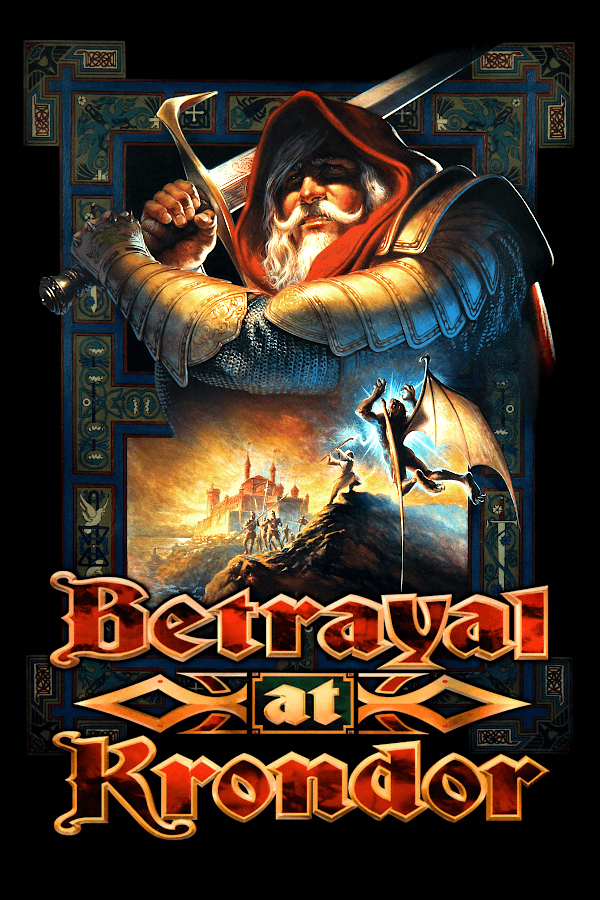
In Betrayal at Krondor, you start on a roadside in Midkemia with a renegade dark elf, a royal squire, and a green wizard who loses health every time he casts a fire bolt.
A sprawling fantasy where every step costs food and stamina
Most computer games from 1993 handed you a dungeon grid, a map, and a generic horde of goblins to slay. This ambitious role-playing game took a very different path by thrusting you directly into a multi-chapter political narrative spanning the world of Midkemia. Designed by John Cutter and written by Neal Hallford, the campaign follows the renegade Moredhel Gorath, the Kingdom squire Locklear, and the young magic student Owyn as they cross huge stretches of wilderness to stop the warlord Delekhan from assembling an invading army.
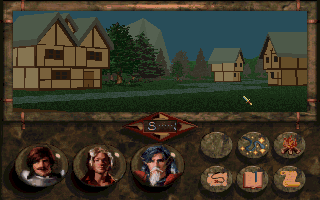
Travelling across the continent requires serious preparation rather than mindless button-mashing. Your party walks through a step-based 3D terrain system that felt huge at release, but required constant management of basic survival needs. If you wander through the thick pine forests of the Dimwood without purchasing enough rations at a nearby tavern, your party faces slow starvation, reduced combat stamina, and death long before reaching the nearest town wall.
Equipment upkeep matters just as much as basic rations. Weapons dull after repeated skirmishes, leather and Kingdom scale armor degrades under heavy hits, and carrying spare plates in your pack quickly encumbers your fighters. You frequently have to make hard choices about which heavy iron pieces to discard along the roadside just to keep your party moving without dropping from sheer exhaustion.
Grid combat, high-stakes spellcasting, and wordlock riddles
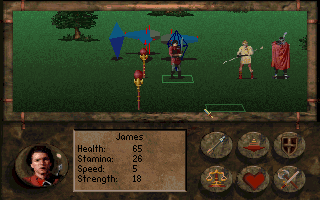
When an ambush happens on the road, the perspective swaps from outdoor navigation to a tactical turn-based grid filled with digitized sprites. Your fighters line up against Moredhel warriors, rogue spellcasters, backstabbing assassins, and hostile beasts. Positioning your party members carefully on the battle grid makes all the difference between surviving a close fight or watching your backline spellcaster get wiped out in two turns.
The combat system introduces a brutal trade-off for magic users that caught plenty of players unprepared. Wizards do not rely on a standard renewable mana pool; instead, casting spells directly consumes stamina and health. Pushing Owyn or Patrus to hurl heavy fire spells back-to-back quickly drains their physical reserves, leaving them dangerously close to dying from their own spellcasting if an enemy archer so much as looks in their direction.
Beyond tactical combat, the world offers several unique encounters and side activities scattered along the trade routes:
- Moredhel Wordlock Chests: Iron-bound treasure chests secured with lettered dials, requiring you to solve poetic riddles to claim valuable loot without setting off lethal trap mechanisms.
- Tavern Lute Performances: Owyn or other skilled companions can play tunes in local inns to earn quick gold coins for food and room bookings.
- Desperate Mercenary Work: Side tasks ranging from tracking down grain supplies for starving temples to carrying out sketchy night robberies for black-market informants.
A technical leap from floppies to redbook audio
The technical foundation built by Dynamix, Inc. combined early polygon-based terrain with digitized real-world actor photographs for character dialogue and battle animations. While contemporary players loved the digitized faces and deep story structure, the blocky 3D hills and pixelated textures looked severely dated within a few years of release. Yet what the engine lacked in graphical smooth surfaces, it more than made up for in atmosphere and depth.
The original multi-disk floppy release saw slow sales initially, leading to fears that the game would disappear without recognition. That changed drastically when Sierra reissued the adventure on CD-ROM. The redbook CD audio soundtrack composed by Jan Paul Moorhead gave real weight to every tavern visit and wilderness trek, turning the release into a massive commercial hit among PC gamers.
The game included driver support for Sound Blaster, Roland MT-32, and LAPC-1 sound cards right out of the box. Hearing the MIDI arrangements on high-end synthesizer hardware made wandering through remote Kingdom territories feel like walking through a detailed fantasy novel, which Raymond E. Feist eventually novelized himself as Krondor: The Betrayal.
Why this classic Betrayal at Krondor MS-DOS game still holds up
While the visual terrain has aged into primitive blocky shapes, the core systems inside this landmark 1993 release remain sharp and satisfying. The narrative pacing across nine distinct chapters, combined with the genuine reward of cracking wordlock riddles and managing a battered party across hostile lands, gives the campaign a grit that modern titles rarely replicate. It demands planning, caution, and respect for your party's physical limits.
If you want to play Betrayal at Krondor online, you can jump straight into the full campaign without hunting down old boot disks or tweaking hardware configs. It runs right in your browser window, letting you step into Midkemia and test your survival skills in seconds.