Catacomb II puts you in the robes of the wizard Petton Everhail, blasting through thirty maze-like levels of monsters and breakable stone to loot the subterranean ruins beneath Kieralon Palace.
Before 3D, id Software built the ultimate top-down wizard shooter
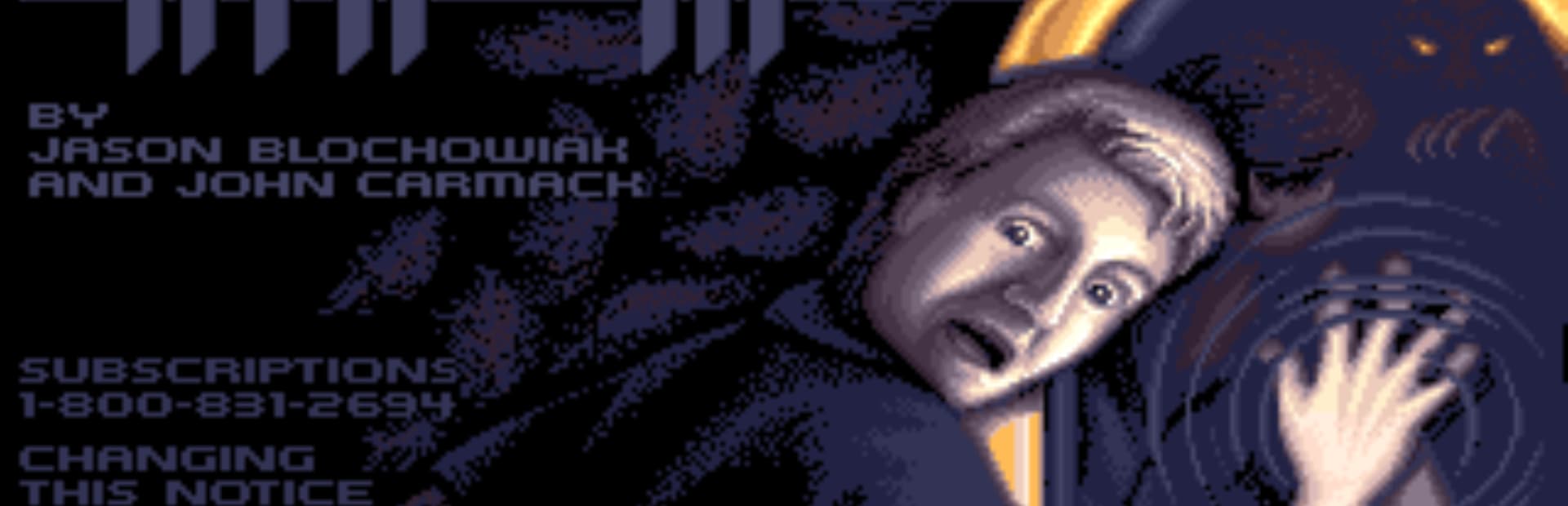
Most players associate early nineties PC action with high polygon counts or raycasting walls, but before revolutionizing the market with first-person tech, the key creators behind id Software were refining top-down combat for disk magazines. Written by John Carmack while fulfilling contract work alongside John Romero, Tom Hall, and Adrian Carmack, this 1991 sequel takes the framework of the original game and expands it into a hefty dungeon crawl. You are hired by Terexin, High Wizard of the Kieralon, to descend into dark stone halls and reclaim lost treasures.
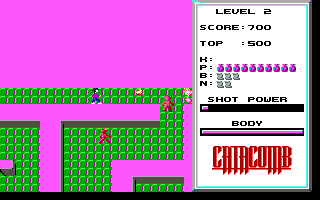
Sitting down with this 1991 title reveals an immediate focus on direct, frantic shooting. You move through screen after screen of brick corridors, slinging fireballs from your fingertips at swarms of goblins, skeletons, ogres, gargoyles, and fire-breathing dragons. The PC speaker chugs away with tiny blips for every missile sent down a hallway, giving the combat a punchy, mechanical rhythm despite the basic audio hardware of MS-DOS rigs from that season.
Destruction, strafing, and how Catacomb II plays
The core combat feels fast and agile compared to other top-down action titles of the early VGA era. Carmack implemented an Alt-key strafe system, a feature almost unheard of in 2D perspective shooters at the time. Holding the key lets you lock your facing direction while sidestepping around corners, allowing you to rain magic down narrow hallways without backing blindly into a goblin horde.
Your arsenal goes well beyond basic hand blasts. As you navigate the labyrinths, you gather single-use tactical pickups that let you turn the tide when corners back you into a corner:
- Magick Missiles: High-speed single projectiles that tear straight down sightlines to snag distant targets.
- Bolts: Heavy energy shots designed to punch through dense clusters of skeletons.
- Nukes: Screen-clearing spell blasts that wipe out every minor creature in the immediate vicinity.
- Hourglasses: Magic artifacts that freeze enemy movement entirely for several seconds, giving you room to escape tight corridors.
Environments are not static, either. Shooting false walls crumbles the masonry into dust, exposing hidden corridors packed with potions or shortcutting around dangerous dead ends. You will constantly test suspect wall segments with a quick blast of fire, searching for secret alcoves off the main map path.
Key hunts and one single life: where the maze grates
While the shooting feels responsive, the level structure reveals its limitations quickly. Almost every one of the thirty stages relies on the same core objective: search a labyrinth for a colored key, navigate back across the entire map, and unlock the exit door or step through a magic teleportation mirror. When a stage spreads those elements across opposite corners of a wide grid, clear progress devolves into tedious backtracking back through empty halls you already cleared.
The overall penalty system can also feel harsh during a long session. Like its predecessor, you work with only one single life for the entire run. Taking too many hits from ogres or catching a direct dragon blast means game over. Thankfully, this release fixed the most agonizing flaw of the original game by letting you save your progress between levels, saving you from having to conquer all thirty stages in one sitting.
From Softdisk disk magazines to the code that sparked Wolfenstein
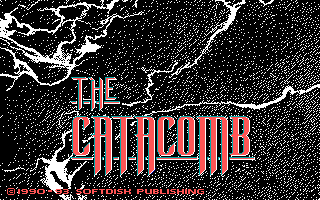
Published by Softdisk as part of their Gamer's Edge subscription service, Catacomb II reached roughly three thousand PC owners who paid yearly fees to get fresh floppy disks in the mail. Softdisk eventually republished it for store shelves under the title The Catacomb in 1993, but its real impact was internal. The enemy tracking routines and spatial movement logic Carmack authored here fed directly into his work on Catacomb 3-D later that same year, leading right into the raycasting engine used in Wolfenstein 3D.
Looking back at the game design against contemporary releases in the action genre, it holds a unique middle ground. It lacks the complex inventory systems of full RPGs, choosing instead to double down on arcade pacing. If you enjoy simple, twitch-heavy corridor shooters, finding a copy of the Catacomb II MS-DOS game offers a clear look at how master programmers tweaked top-down movement algorithms right before 3D perspective took over the industry.
Fire up Catacomb II right in your browser
You can play Catacomb II free in your browser right now without downloading extra tools or messing with setup screens. If you want to experience the exact moment id Software mastered strafing controls and breakable walls in two dimensions, launch the game above, grab your first magic item, and start blasting through the walls of Kieralon Palace.