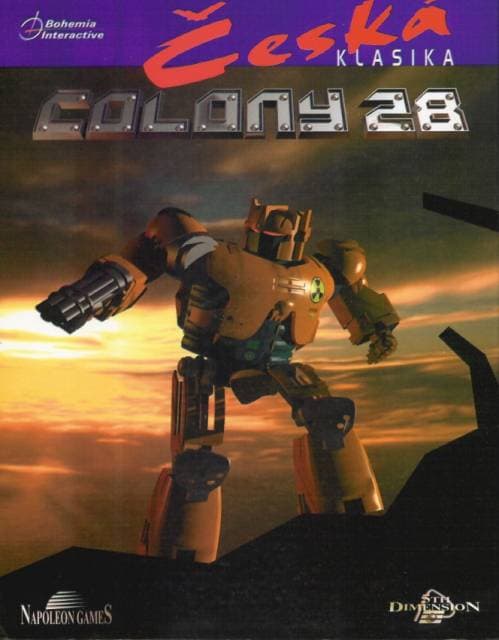
Colony 28
Streaming build
Checking storage…494 MB
Preload in background
When a surface laser fries your obedience chip in Colony 28, you switch from an alien-controlled cyborg overseer back into a free human warrior fighting to reclaim Earth.
When hiding in shadows matters more than firepower
The transition from mind-controlled tool to lone rebel happens in an instant when your transport crashes into Earth's surface. With your obedience circuits shorted out and your memories intact, you walk away from the wreckage with an alien-engineered body and a single objective: bring down the command vessel hovering above the planet. You are heavily armed, but walking straight into the nearest patrol line will get you ripped apart in seconds.
combat relies on patience rather than running with the trigger held down. Your arm-mounted gun supports three distinct ammunition types, each designed for specific combat situations, but supply drops are scarce. When you run out of rounds, your only backup is a set of heavy mechanical fists, which forces you to duck into dark recesses and wait for patrolling units to turn their backs before striking.
This side-scrolling mix of deliberate positioning and industrial stealth echoes the design of classic cinematic adventure games. You spend as much time managing your energy reserves and slipping through shadows as you do trading fire with automated security systems. Stepping into a open hallway without checking for wall-mounted turrets or patrolling robots usually results in an immediate trip back to the loading screen.
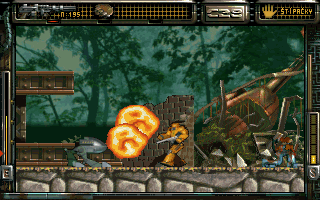
Navigating the eight sprawling sectors of Colony 28
Progress through the campaign requires clearing eight massive, interconnected environmental zones. You start in ruined industrial suburbs, manipulating heavy cranes to clear path blockages, before pushing through jungle sectors laden with hidden landmines. Later levels force you through claustrophobic cave systems and a high-security prison block where you must break out, reclaim lost gear, and locate an underground armory.
The progression relies on an inventory system that turns every sector into an action puzzle. You must keep track of specific keycards, tools, and mechanical components needed to unlock doors or jumpstart derelict machinery.
- Locate electronic keycards to bypass locked security gates.
- Search industrial clutter for collectable tools to operate heavy machinery like cranes.
- Clear stealth paths by timing movement between shadows and hiding spots.
- Manage limited ammunition types to conserve heavy rounds for high-threat mechanical enemies.
The final gauntlet takes you into a high-tech rocket facility, through the corridors of the alien command vessel, and ultimately into the reactor core powering their occupation network. Exploring these areas means watching your footing as closely as your ammunition counters, as ground-level hazards and environmental traps will kill you just as fast as any guard patrol.
Pre-rendered ambitions and European cinematic roots
Developed by Czech studio 5th Dimension under team leader Martin Matějka, the project underwent significant changes when the studio merged into Napoleon Games during production. The small team handled everything internally, right down to providing in-house voice work for the game's rebel forces and mechanical opponents. Their visual strategy relied on pre-rendered 2D character sprites set against dark, atmospheric backgrounds, interspersed with full 3D pre-rendered cutscenes that were rarely seen in Czech PC development at the time.
When the title released as an MS-DOS action game in 1997, local gaming press took immediate notice of its grim, moody presentation. Reviewer Petr Bulíř covered the title for Czech magazine Level, awarding it a 60% rating. While he praised the dark sci-fi atmosphere, soundtrack, and strong narrative focus through to the ending, he criticized the stiff character animation and forgiving visual presentation, warning readers about the unforgiving learning curve.
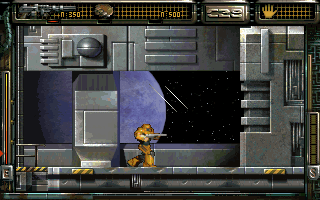
Audio design benefited greatly from full sound card support. Players running the title on original hardware or configuring Gravis Ultrasound emulation in DOSBox got ambient synth tracks that built real tension in underground bunkers. Paired with mechanical punch impacts and metallic gunfire sound effects, the audio setup carried much of the world's oppressive tone.
Where the mechanics grind to a halt
Despite its rich atmosphere, the title frequently stumbles under the weight of its brutal difficulty curve. Movement controls carry noticeable weight, which makes precision dodging frustratingly tough when multi-directional turret fire fills the screen. Missing a single stealth window often leads to immediate crossfire that drains your health bar before you can retreat to cover.
Environmental design contributes to this strict trial-and-error pacing. Landmines in the jungle levels look almost identical to the pixelated terrain, forcing players to move at a crawl or suffer instant death from a single missed step. Rather than testing real-time reflexes, many encounters require you to memorize enemy patrol loops through repeated deaths until you execute a flawless sequence of moves.
The strict reliance on specific items also creates occasional pacing wall. If you overlook a tool or keycard in an earlier room of a sprawling sector, you are forced to backtrack through cleared corridors to search floor textures for dark pixels. For modern players used to smooth platforming and generous checkpoints, these design choices require real persistence.
How to fire up this sci-fi classic today
If you enjoy cinematic European side-scrollers like Flashback or Another World, there is plenty to appreciate here. The combination of pre-rendered background art, harsh stealth mechanics, and a gritty story line creates an authentic late-nineties PC atmosphere. While the movement can feel stiff, landing a successful ambush from the shadows using your bare mechanical fists remains incredibly satisfying.
You can play Colony 28 free in your browser right now, with no extra downloads or setup steps required. When you boot up the Colony 28 MS-DOS game, skip the bold head-on attack in the opening zone. Instead, retreat into the nearest shadow, get a feel for your weapon's alternate ammo modes, and wait for the first patrol robot to pass before taking your strike.
Players' controls
Touch and gamepad controls
The on-screen keyboard and gamepad mapping the browser player uses on a phone, a tablet or a controller, as opposed to the real keys above. $PRO members make their own in the player and share them here; anyone can pick one to play with.
Make your own touch controlsPRO
- 1Open the editorSign in below, then pick what to make. The game starts with the editor open over it.
- 2Place your keysAdd keys and drag them where your thumbs rest, or map a controller's buttons. Test plays the game with them; Save keeps them, and you play with them from then on.
- 3Share themShare them right after saving in the game, or name and share them here. Players vote, and the best become this game's controls for everyone.
Go PROSee how it worksSign in+20 XP for sharing · +50 XP if yours become the game's own
- The game's own controlsNone yet: played with a real keyboard only.In use
3 screenshots
From the archive
No reviews yet
Tell the community what you think of Colony 28. Reviews are public and tied to your username.
No archived manuals for Colony 28 yet
No manuals archived for this title yet. Sign in to upload the first scan.
Cheat codes, console commands and memory pokes for Colony 28 — each one verified and attributed.
Sign in to submitNo cheats yet for this title
Know a working cheat, poke or trainer? Add it with the button above. Moderators check every entry before it goes live.
No archived soundtrack for Colony 28 yet
No soundtrack archived for this title yet. Sign in to upload the first rip.
No save states for Colony 28 yet
No save states for this title yet. Sign in to share one.
Discussions
Sign in to post- Threads0
- Total posts0
- Online now6
Community · Colony 28
Who's contributing, and what's new
- Reviews0
- Threads0
- Uploadsapproved0
- Contributors0
Recent activity
Nothing here yet
Reviews, discussion threads and approved uploads appear here as members add them.