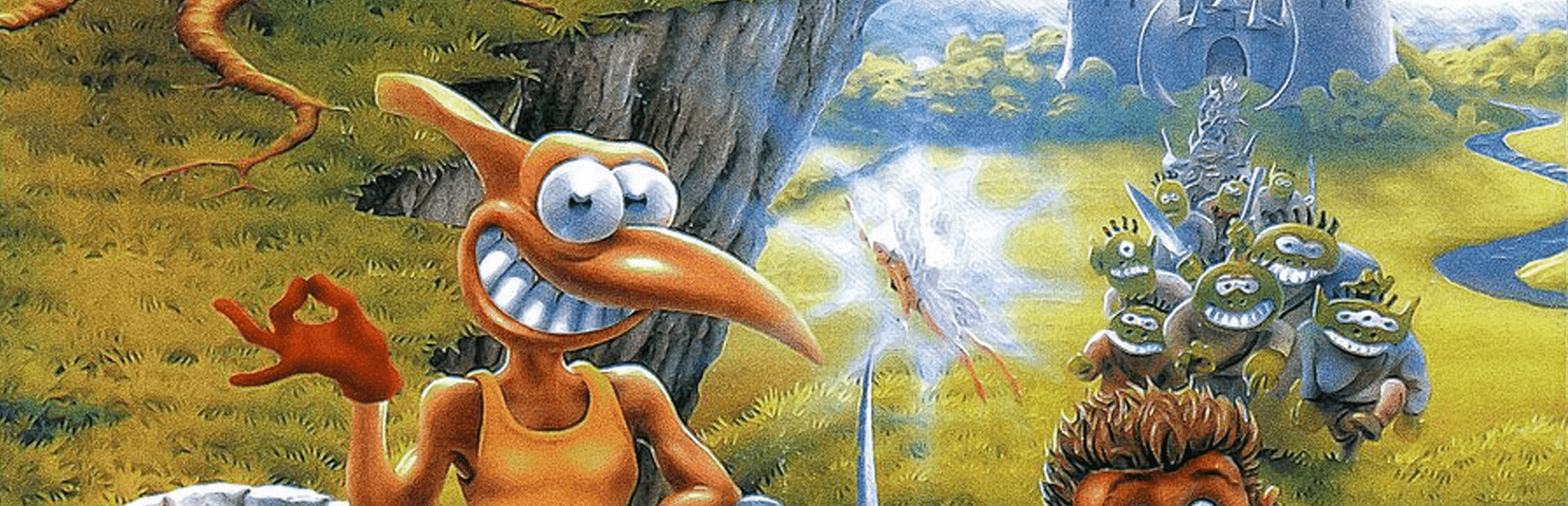
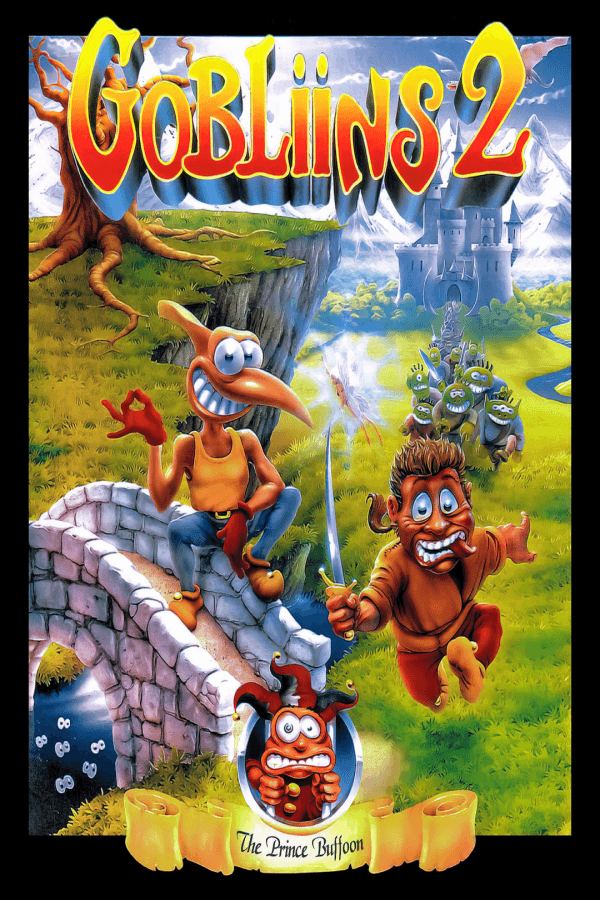

Gobliins 2: The Prince Buffoon drops you straight into cooperative point-and-click chaos, forcing you to direct two radically different goblins at the exact same time to solve absurd environmental puzzles.
Two goblins, one shared screen, and zero room for error in Gobliins 2: The Prince Buffoon
The first game in the series required managing three imps - hence the three letter i's in Gobliiins - and punished missteps with a strictly unforgiving global health bar. For this 1993 sequel, designers Muriel Tramis and Pierre Gilhodes pared the cast down to two characters and stripped away the health meter entirely. Fingus is quiet, cautious, and handy with mechanical gadgets, while Winkle is vulgar, reckless, and eager to play practical jokes on everything in sight. Because neither character can die, the entire game shifts from survival management toward trial, error, and physical comedy.
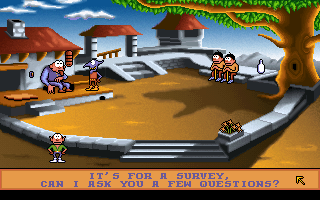
Instead of managing health, your primary challenge comes from controlling both goblins simultaneously on fixed single-screen playfields. Solving a screen almost always requires split-second coordination. Fingus might need to operate a winch or trigger a trapdoor at the exact moment Winkle walks under a heavy object or interacts with a passing NPC. Getting the pair into position, selecting their separate actions, and timing their animations correctly forms the core loop of every region you encounter.
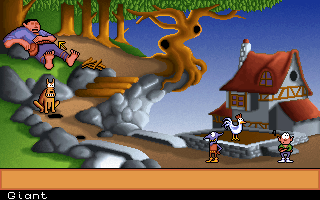
The quest takes the duo through a sequence of surreal locations to rescue Prince Buffoon, who was snatched by a demon and forced to work as a jester for the villain Amoniak. Along the way, you navigate through a quaint Village, scale a giant monster, survive a Trench siege, slip inside Wizard Tazaar's House, and even explore a dream scene where you harvest flying music notes using a flycatcher.
Why cartoon logic and strict timing create brilliantly maddening puzzles
Because Coktel Vision built the game around physical gags, the solutions rarely line up with normal real-world logic. You constantly interact with interactive hotspots to see what bizarre reaction each goblin triggers. If you send Fingus to look at an object, he might carefully analyze it or try to operate it properly; send Winkle to the same spot, and he will likely hit it with a mallet, drink it, or jump on top of it. Many puzzles can only be solved after Winkle's antics open up a fresh, unintended route for Fingus to exploit.
This division of labor produces genuine humor, but it also creates moments of intense puzzle friction. Reviewers at the time praised the vivid cartoon animations and the elimination of tedious pixel hunting, yet they rightly called out how obtuse the puzzle design gets in the later chapters. You will encounter sequences where you must perform the following actions under strict constraints:
- Shrink one goblin down to mouse size to explore tiny openings while the other operates room switches.
- Catch airborne musical notes with a flycatcher in a specific order during the surreal dream sequence.
- Distract heavy artillery and guards in the Trench siege area using precise hit-and-run tactics.
- Manipulate magic items inside Wizard Tazaar's House to bypass animated traps.
When these sequences demand pixel-perfect positioning along with strict animation timing, the point-and-select interface can feel finicky. Clicking a fraction of a second too early means watching the entire comedy animation sequence play out again before you get another shot at the button.
Sound Blaster noise, built-in options, and the infamous ending drop
On PC hardware in 1993, publisher Sierra On-Line, Inc. delivered a package that took full advantage of the audio chips of the day. The game includes support for AdLib, Sound Blaster, Sound Blaster Pro, Audio Spectrum, and CD Audio. Hearing the goblins squeak, gibber, and drop heavy pots on each other over a Sound Blaster card gave the game a distinctly tactile, living-cartoon feel that stood out sharply against quieter text-heavy adventure games of the same era.
Coktel Vision also packed odd utilities directly into the top option bar. Beside standard game controls, you get access to a built-in scratchpad for taking notes, a custom font changer, and a live clock display. To prevent unauthorized copying, the DOS version shipped with a manual-based protection screen that forced you to look up physical pages from the print manual before you could start the campaign.
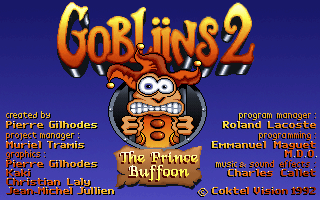
If there is one aspect of the game that continues to bug players decades later, it is how the narrative concludes. After struggling through dozens of brutal timing tests and trial-and-error roadblocks, the late-game plot introduces a sudden twist inside Amoniak's Castle that feels engineered entirely to stretch out the runtime. To make matters worse, the actual ending payoff is practically non-existent, resolving the entire journey in a brief whimper that leaves player effort unrewarded.
Where the DOS release lands today for modern players
Despite its abrupt conclusion and occasional reliance on nonsensical cartoon logic, the game handles cooperative character interaction better than almost anything else in the puzzle genre. The visual art by Pierre Gilhodes gives every screen personality, and watching Fingus and Winkle react to the world around them provides constant amusement. It holds up far better than many 1993 adventure titles simply because it refuses to let your characters die, encouraging you to click on every single absurd hotspot just to see what happens.
If you enjoy lateral thinking, slapstick animation, and dual-character coordination, this entry is easily one of the most inventive releases from 1993. Just be prepared to keep a notebook handy - or rely on trial and error when the puzzle logic detours completely into goblin fantasy.
You can play Gobliins 2: The Prince Buffoon online right now, free in your browser, with no setup required. Modern players often expect modern quest logs or direct hint systems, but all you need here is a patience for slapstick experimentation and a willingness to try every silly item combination until Fingus and Winkle finally pull off the trick.