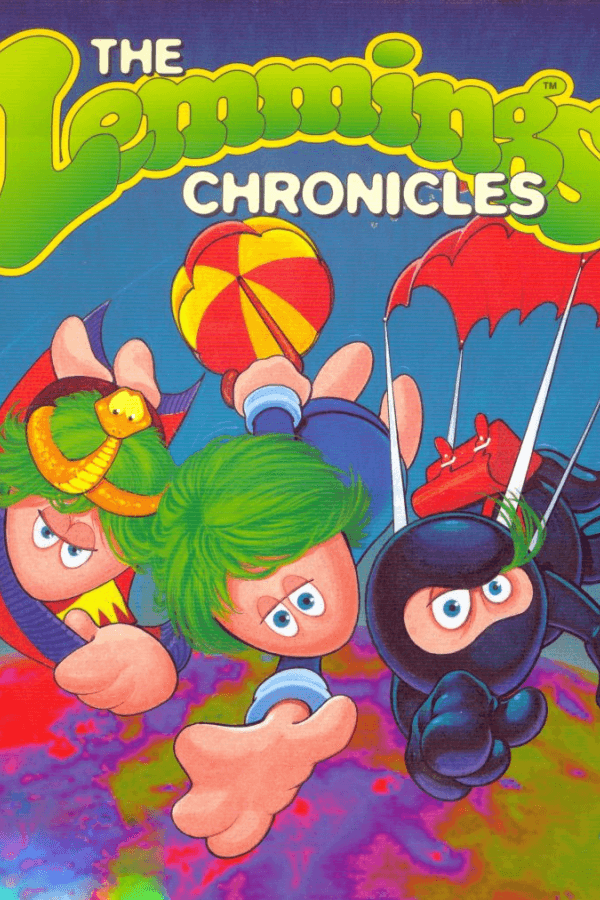

The Lemmings Chronicles
aka All New World of Lemmings · Lemmings 3
If you played The Lemmings Chronicles in 1994, you immediately noticed that the tiny green-haired marchers were larger, fewer in number, and wielding weapons like grenades and wall suckers. Instead of herding ninety suicidal critters off a drop, this outing turned the classic puzzle game setup into a focused tactical rescue mission across three distinct island tribes.
DMA Design tried to reinvent their blue-and-green horde
By the mid-1990s, the original Lemmings formula was everywhere. Rather than delivering a routine map pack, developer DMA Design and publisher Psygnosis decided to alter the core rules. They blew up the sprite size, expanded the background lore to cover Classic, Shadow, and Egyptian tribes, and changed how you interact with the environment.
The result was a project produced partly to wrap up DMA's multi-game publishing contract with Psygnosis. Key team members including producer David Jones, programmers Russell Elliot, Robert Parsons, Keith R. Hamilton, and Steven Reid, alongside artists David Osborne and Gary Timmons pushed the technical design into new territory before the franchise moved to other development houses. That rush to finish shows up in a few odd places, but the core idea was ambitious.
Fewer rodents and bigger tools in The Lemmings Chronicles
The biggest change hits you the moment a trapdoor opens. Instead of dozens of pixel-sized creatures pouring out in a continuous stream, the screen caps active lemmings at just ten. Because each walker takes up more screen real estate, precision tool usage replaces the chaotic crowd control of the earlier games.
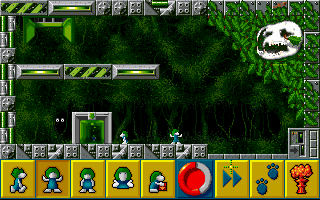
Your bottom panel offers basic movement commands like Walk, Block, Jump, Use, and Drop. The real variety comes from items scattered across ninety stages, spread evenly with thirty levels per tribe. Lemmings pick up gear from the ground to climb walls with suction pads, shimmy along ceilings, toss bombs, or throw street-fighter-style Hadoken blasts to clear obstacles.
Rescuing captive creatures inside a stage actually matters for your overall tally. If you lose too many walkers early on, later stages in the tribe sequence become noticeably harder because your pool of survivors shrinks. To manage this, a handy replay feature lets you run your moves backward and jump in at any second to correct a fatal mistake.
Here is what sets the level navigation apart this time around:
- Three distinct tribes featuring Classic, Shadow, and Egyptian themes across ninety separate stages.
- Pick-up items that grant abilities on the fly, ranging from wall-climbing suckers to explosive grenades.
- Hostile map hazards and roaming enemies like the Psycho Buzzard, the Potato Beast, and the Lemme Fatale.
- A persistent rescue counter where saved captives carry over to pad out your available count for subsequent levels.
When pathfinding breaks down in the puzzle logic
While having active weapons and jumping commands adds flexibility, it also exposes the weak points in the engine. Pathfinding can be stubborn. You will watch a lemming walk straight past an item you ordered it to pick up, or jump into a pit because the timing on a button press missed by two pixels.
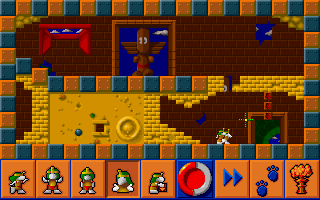
The hostile creatures highlight this frustration. Facing off against a Psycho Buzzard or avoiding a Potato Beast requires arcade-style timing that sometimes conflicts with the slow planning traditional puzzle fans expect. When a solution relies on pixel-perfect item drops while avoiding a Lemme Fatale, the trial-and-error process gets exhausting.
PC players running the MS-DOS game on newer hardware faced an even bigger wall: the notorious Borland Pascal CRT installer bug. On faster processors, launching the executable triggered an instant Runtime error 200 crash before reaching the title screen, requiring fan patches like TPPATCH to get running. If you got past the splash screen, the Sound Blaster audio driver provided solid punchy sound effects alongside CD audio music tracks on supported CD-ROM copies.
Why opinions split sharply on this 1994 release
At release, magazine verdicts were divided. CU Amiga and Amiga Computing awarded 88% scores, praising the clean interface and less punishing structure. Meanwhile, Amiga Power handed down a harsh 50%, complaining that bigger sprites ruined the manic sense of scale that made the original unique. Computer + Video Games hovered near 87%, while NextGen gave the DOS version 3 out of 5 stars.
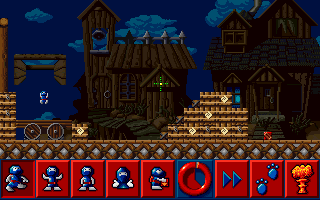
Hardcore players still argue about the design shift today. Purists miss managing huge swarms, but the streamlined panel removes a lot of tedious skill-assigning menus. For those who want to skip straight to late-game puzzles, typing AILSAWANTSTOCHEAT into the save file prompt opens up full level selection immediately. Dedicated readers of the game manual also caught a cheeky reference to the fictitious "Fquiggly" plant, a callback to an old Amiga cheat code.
Even with its quirks, the franchise was a juggernaut, pushing combined series sales beyond four million units by mid-1995. It is an intriguing piece of DMA history, marking the end of their work on these blue-robed creatures before moving on to construct sprawling open worlds like Grand Theft Auto.
Playing The Lemmings Chronicles online today
If you want to spend an evening with DMA Design's final lemming project, the puzzle design holds up well enough to justify a run, even if the pathfinding causes a few light headaches. The item-based mechanics offer a genuinely different flavor from the earlier games, making it worth testing if you enjoy mid-nineties puzzle design.
You can play The Lemmings Chronicles free in your browser right here, running full speed with nothing to install and no setup required. Jump straight into the Egyptian or Shadow levels, test out the Hadoken attacks, and see whether you prefer ten large tactical lemmings over a hundred frantic tiny ones.