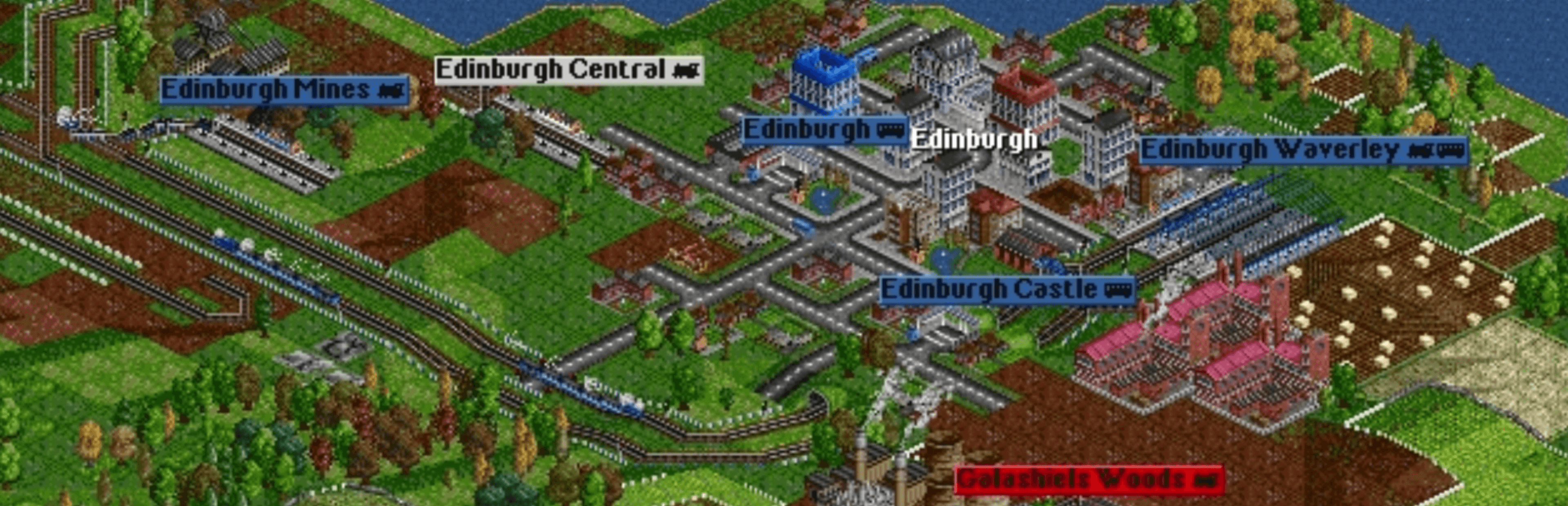
Laying your first stretch of iron in Transport Tycoon Deluxe usually begins with a bouncy MIDI tune and a modest loan from the local bank. You connect a coal mine to a distant power plant, drop two steam engines on the line, and watch the profit turn positive.
Building rail networks in Transport Tycoon Deluxe brings pure satisfaction
The core loop of managerial simulation games is often about balancing books, but here the grid is your main playground. You begin in 1950 with a modest bank loan and a map full of quiet towns and isolated factories. Your goal is to connect them using trucks, buses, ships, planes, and trains. Building a functional rail loop that carries coal without stalling never stops feeling great on a PC.
Developer Chris Sawyer Productions and publisher MicroProse Software, Inc. refined the original release into something far more robust for this 1995 edition. The diagonal-down isometric viewpoint keeps every track tile clean and legible. You drag land down to level a hill, drop down dual iron tracks, and set up your depots. Within twenty minutes, you go from managing a single delivery line to running an expansive regional grid.
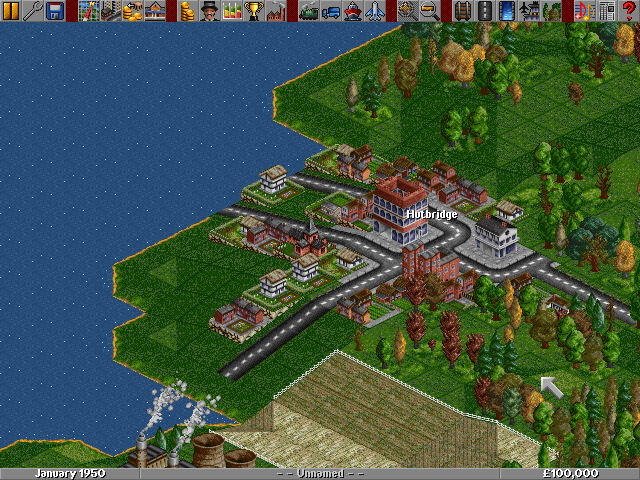
Every industry on the map reacts directly to how well you serve it. If you let coal sit on the platform for months, output drops and town authorities start hating your company. If you keep cargo moving smoothly, towns grow into giant cities that demand bus routes and passenger hubs. That feedback loop keeps you zooming across the landscape to fix emerging bottlenecks.
New environments and tools expanded the original sandbox
When this 1995 release hit shelves, magazine reviewers pointed out that it shared a lot of DNA with its predecessor. PC Gamer UK still praised its incredible depth, while other outlets rated it around ninety percent. It felt less like a total sequel and more like a massive polished upgrade. Yet the additions changed how players built their empires.
The addition of three new climate environments offered far more than visual variety:
- Temperate: The traditional green landscape focused on coal, iron ore, and passenger lines.
- Sub-arctic: Snowy terrain where northern towns require constant food deliveries to grow at all.
- Sub-tropical: Arid deserts where water trains are mandatory for keeping southern settlements alive.
- Toyland: A colorful landscape where you transport fizzy drinks and candy between novelty structures.
You also got access to futuristic monorail and maglev tracks as your timeline advanced toward 2050. Sawyer famously dropped planned features like aggressive corporate takeovers and dirty tricks during development. He felt those mechanics distracted from the core joy of network building. That tight focus paid off, making every tool feel directly tied to route planning.
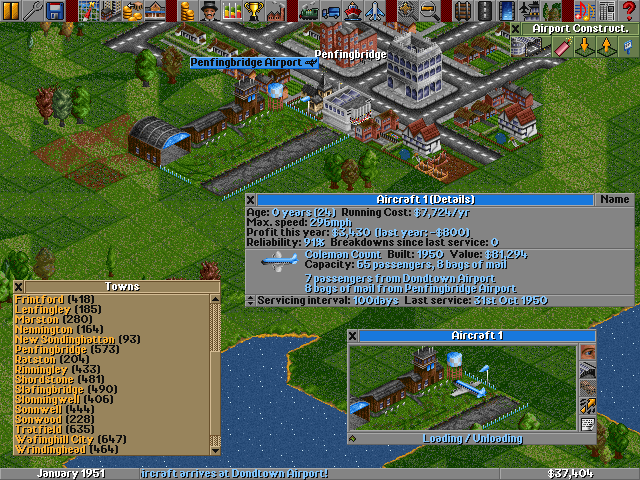
Signal deadlock remains the main trap for network planners
The single greatest addition to this version was one-way signaling. In the original release, complex junctions routinely locked up because two trains would face each other on the same track tile. One-way signals allowed players to build massive double-track mainlines, high-capacity station entries, and elegant rosettes. Suddenly, you could run dozens of engines across the same corridor without instant disaster.
Despite those new tools, rail routing remains the primary place where players get stuck. The pathfinding system reads signals linearly, which means a single misplaced block signal can send five express trains into a deadlocked loop. You will inevitably spend fifteen minutes staring at a gridlocked station, trying to figure out which engine entered the wrong block. It can be infuriating, but fixing the grid is immensely satisfying.
Audio design deserves a nod as well. Composer John Broomhall put together a jazz-fusion soundtrack that sounded great on a Sound Blaster card. The brass synth lines and walking bass grooves match the relaxed, methodical pacing of map building. It is the sort of music that stays stuck in your head long after you close the game.
Why Transport Tycoon Deluxe still deserves your evening
The game is not without its historical flaws. Running this classic Transport Tycoon Deluxe MS-DOS game on modern machines used to cause constant system crashes and speed issues without heavy tweaking. The interface also demands exhaustive point-and-select clicking to manage individual vehicle schedules across large fleets. If you build eighty trains, updating their orders one by one becomes pure busywork.
Yet the core design holds up well against any modern management sim. Turning a tiny mountain town into a metropolis using clever rail loops is as satisfying now as it ever was. Sawyer delivered clean visual feedback and flexible system design that inspired decades of open-source community rewrites. You can read more about his development work on Chris Sawyer's Wikipedia page.
You do not need to hunt down old installation disks or spend hours messing with memory settings to play Transport Tycoon Deluxe free in your browser today. You can play Transport Tycoon Deluxe online right now, right on this page with no extra setup required. Pick the temperate region, take out a maximum loan immediately, and start building your first coal mainline.