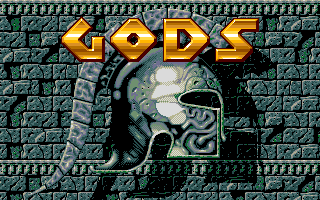
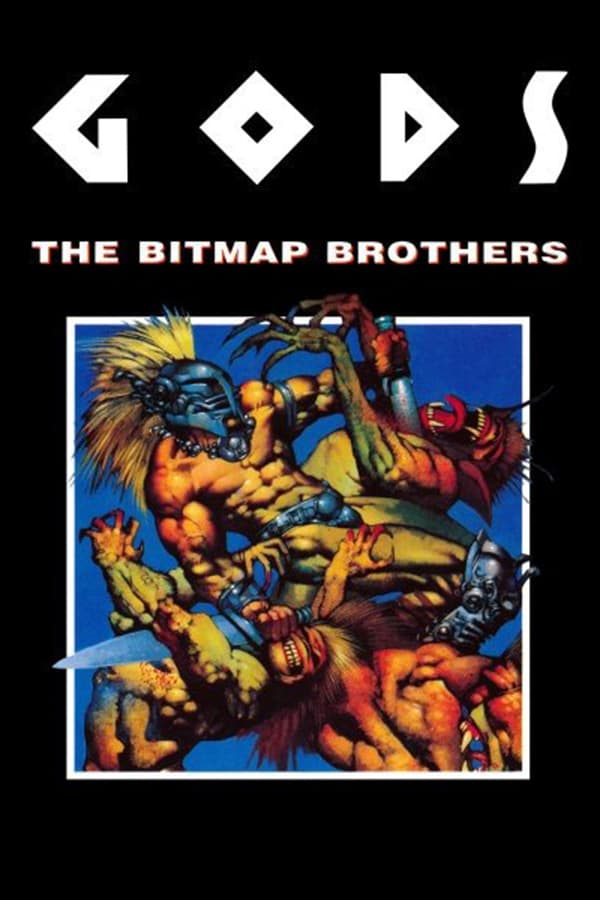

In Gods, you control a pixelated warrior fighting through four lethal worlds to claim immortality from the ancient deities, but the game is quietly judging your performance every step of the way.
Most side-scrolling platformers from 1991 encouraged you to sprint right and leap over hazards without stopping. The Bitmap Brothers took the opposite route. Designed by Eric Matthews and Steve Tall, with primary programming handle by Tall and extra code by Mike Montgomery, the game gives your hero a heavy, deliberate stride. You cannot adjust your trajectory in mid-air once you jump, nor can you strike while crouching. Every swing, spear throw, and drop down a ledge requires actual planning.
The core premise sends an unnamed hero, commonly identified as Hercules, into a citadel overrun by hostile guardians. To earn a seat on Mount Olympus, you must battle through 12 sublevels split across four distinct worlds: The City, The Temple, The Labyrinth, and The Underworld. Instead of standard high-speed arcade action, the game forces you to manage a tiny four-slot inventory while juggling keys, potions, and switches. If you pick up the wrong item, you will often find yourself marching all the way back across a level just to swap it out for the key you actually needed.
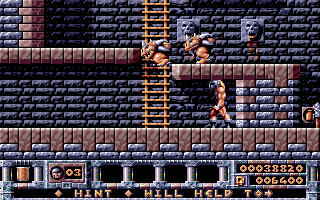
What sets the title apart from its peers on action gaming shelves at the time is how it observes the player. The game runs an internal system that tracks how well or how poorly you are doing. If you are taking heavy damage and constantly near death, the game occasionally takes pity on you by spawning extra health potions or protective invulnerability power-ups. If you are tearing through levels unharmed and setting record times, it locks away easy bonuses and challenges you to earn hidden treasure rooms instead.
This dynamic system also shows up in how enemies enter the screen. Small thieves regularly warp out of brick walls to snatch health items, keys, or weapon upgrades right off the floor. If you kill a thief the instant he grabs an item, he drops a superior secret reward instead. Waiting for the thief to steal a treasure, then slaying him before he slips back into the scenery, becomes a high-stakes mini-game in almost every corridor.

Not every design decision holds up under scrutiny. The Renegade Software release garnered massive praise at the time, earning a 93% Super Star Award from CU Amiga and a 95% from Joystick, but computer magazine Power Play posted a more critical 74%, pointing squarely at the sluggish pacing and rigid item limits. Retrying a stage because you left a vital lever key three screens back is genuinely frustrating. Furthermore, the PC manual assumed players were using a joystick, offering confusing guidance for anyone relying on keyboard layouts.
Sound playback on PC hardware in 1991 was also a strange gamble. The standard title music, composed by Nation 12 and featuring synth-pop musician John Foxx, was paired with in-game sound arrangements by Richard Joseph. However, if you were playing the Gods MS-DOS game on standard Sound Blaster or AdLib cards, you only heard minimalist sound effects during gameplay. Full background music during stages required an expensive Roland LAPC-1 or Roland MT-32 setup.
The strict jump physics and hard difficulty spikes will shock anyone expecting a loose, casual platformer. Yet the crisp 2D pixel work from artist Mark Coleman, paired with the sheer satisfaction of solving complex backtracking puzzles under pressure, makes it deeply rewarding to master. The underlying engine proved so robust that the developers reused it later that same year to build Magic Pockets.
You do not need an old MIDI module or a manual full of joystick diagrams to play Gods free in your browser right now. Launching the game directly gives you immediate access to its heavy combat, tight inventory management, and secret-filled levels with no setup required. Try clearing the first section of The City without dying once, and pay close attention to how the thief spawns change based on your health bar.
In Gods, you control a pixelated warrior fighting through four lethal worlds to claim immortality from the ancient deities, but the game is quietly judging your performance every step of the way.
Most side-scrolling platformers from 1991 encouraged you to sprint right and leap over hazards without stopping. The Bitmap Brothers took the opposite route. Designed by Eric Matthews and Steve Tall, with primary programming handle by Tall and extra code by Mike Montgomery, the game gives your hero a heavy, deliberate stride. You cannot adjust your trajectory in mid-air once you jump, nor can you strike while crouching. Every swing, spear throw, and drop down a ledge requires actual planning.
The core premise sends an unnamed hero, commonly identified as Hercules, into a citadel overrun by hostile guardians. To earn a seat on Mount Olympus, you must battle through 12 sublevels split across four distinct worlds: The City, The Temple, The Labyrinth, and The Underworld. Instead of standard high-speed arcade action, the game forces you to manage a tiny four-slot inventory while juggling keys, potions, and switches. If you pick up the wrong item, you will often find yourself marching all the way back across a level just to swap it out for the key you actually needed.

What sets the title apart from its peers on action gaming shelves at the time is how it observes the player. The game runs an internal system that tracks how well or how poorly you are doing. If you are taking heavy damage and constantly near death, the game occasionally takes pity on you by spawning extra health potions or protective invulnerability power-ups. If you are tearing through levels unharmed and setting record times, it locks away easy bonuses and challenges you to earn hidden treasure rooms instead.
This dynamic system also shows up in how enemies enter the screen. Small thieves regularly warp out of brick walls to snatch health items, keys, or weapon upgrades right off the floor. If you kill a thief the instant he grabs an item, he drops a superior secret reward instead. Waiting for the thief to steal a treasure, then slaying him before he slips back into the scenery, becomes a high-stakes mini-game in almost every corridor.

Not every design decision holds up under scrutiny. The Renegade Software release garnered massive praise at the time, earning a 93% Super Star Award from CU Amiga and a 95% from Joystick, but computer magazine Power Play posted a more critical 74%, pointing squarely at the sluggish pacing and rigid item limits. Retrying a stage because you left a vital lever key three screens back is genuinely frustrating. Furthermore, the PC manual assumed players were using a joystick, offering confusing guidance for anyone relying on keyboard layouts.
Sound playback on PC hardware in 1991 was also a strange gamble. The standard title music, composed by Nation 12 and featuring synth-pop musician John Foxx, was paired with in-game sound arrangements by Richard Joseph. However, if you were playing the Gods MS-DOS game on standard Sound Blaster or AdLib cards, you only heard minimalist sound effects during gameplay. Full background music during stages required an expensive Roland LAPC-1 or Roland MT-32 setup.
The strict jump physics and hard difficulty spikes will shock anyone expecting a loose, casual platformer. Yet the crisp 2D pixel work from artist Mark Coleman, paired with the sheer satisfaction of solving complex backtracking puzzles under pressure, makes it deeply rewarding to master. The underlying engine proved so robust that the developers reused it later that same year to build Magic Pockets.
You do not need an old MIDI module or a manual full of joystick diagrams to play Gods free in your browser right now. Launching the game directly gives you immediate access to its heavy combat, tight inventory management, and secret-filled levels with no setup required. Try clearing the first section of The City without dying once, and pay close attention to how the thief spawns change based on your health bar.
How Gods is played — the keys the game listens to, grouped by what they do.
Highlighted keys are mapped — hover or tap one to see what it does.
Natively supports joystick play, which can be configured using the INSTALL setup utility included with the game files. Original game manual primarily assumes joystick input and leaves keyboard control mappings unlisted.
The on-screen keyboard and gamepad mapping the browser player uses on a phone, a tablet or a controller, as opposed to the real keys above. $PRO members make their own in the player and share them here; anyone can pick one to play with.
Cheat codes, console commands and memory pokes for Gods — each one verified and attributed.
Sign in to submitaka GODS 神となる男の伝説 · Gods: Kami to Naru Otoko no Densetsu
How Gods is played — the keys the game listens to, grouped by what they do.
Highlighted keys are mapped — hover or tap one to see what it does.
Natively supports joystick play, which can be configured using the INSTALL setup utility included with the game files. Original game manual primarily assumes joystick input and leaves keyboard control mappings unlisted.
The on-screen keyboard and gamepad mapping the browser player uses on a phone, a tablet or a controller, as opposed to the real keys above. $PRO members make their own in the player and share them here; anyone can pick one to play with.
Cheat codes, console commands and memory pokes for Gods — each one verified and attributed.
Sign in to submit