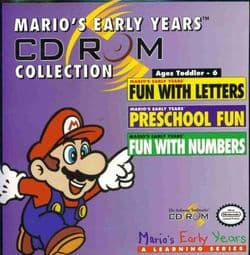
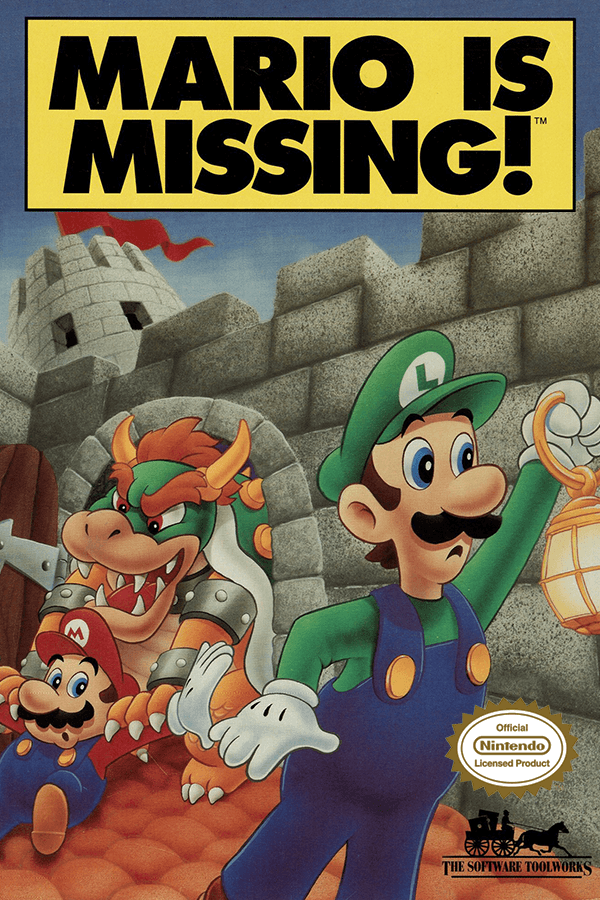

When you booted up Mario is Missing! in 1992, you did not get a fast platformer; you got Luigi wandering street corners in San Francisco asking tourists for geography tips.
Bowser planned to melt Antarctica with hairdryers, but the real shock was the gameplay
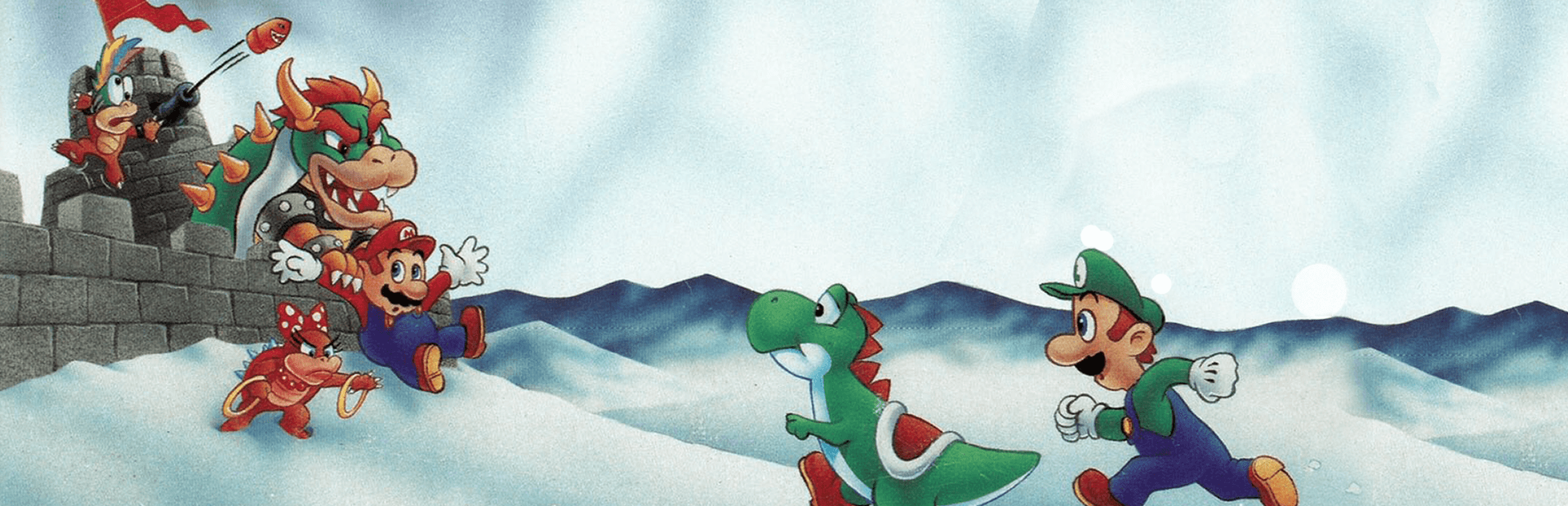
The premise of Mario is Missing! sounds like a Saturday morning cartoon. Bowser sets up a fortress in Antarctica, planning to melt the ice caps using thousands of electric hairdryers. To fund this ridiculous plot, he sends his Koopas across the globe to steal famous cultural landmarks. Mario gets captured right away, leaving Luigi to fix everything on his own.
Instead of jumping across bottomless pits, you spend your time exploring 25 real-world cities. Developer The Software Toolworks built this as an educational title for MS-DOS in 1992. The side-view screen lets you walk Luigi left and right past real estate like double-decker buses in London or pagoda roofs in Tokyo. The shift in style caught PC gamers completely off guard at the time.
You quickly realize that saving the world in this game relies on reading comprehension and map navigation. It trades frantic momentum for quiet problem-solving. While that disappointed kids hoping for arcade action, it carved out a very specific place on home computers.
Walking the streets in Mario is Missing! feels more like filing paperwork than fighting monsters
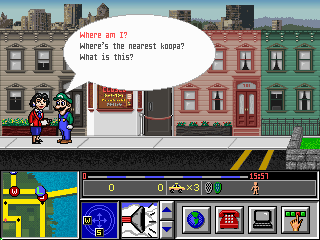
Every level follows an identical set of tasks that you must execute in order. The repetitive design becomes clear after your second or third city visit.
- Track down roaming Koopa Troopas in the street to collect a stolen landmark piece.
- Talk to local pedestrians to gather hints about your current location and history facts.
- Take the stolen item to an information booth and answer two trivia questions to prove its authenticity.
- Use your handheld Globulator device to pinpoint your coordinates on a map and call Yoshi.
- Ride Yoshi to eat the guard Pokey sitting outside the exit portal so you can return to the castle.
The mechanics never change in Rome, Nairobi, or San Francisco. You take photos of returned items, drop off the goods, and call Yoshi to move along. The trivia questions are rarely difficult, but walking back and forth across long city streets takes time. The game moves at a slow, deliberate pace that demands patience rather than quick reflexes.
The art assets created an unintentional piece of internet nightmare fuel
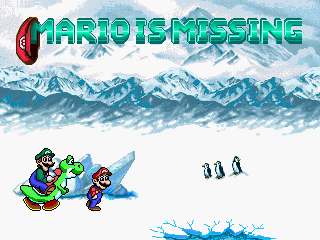
The visual style in this MS-DOS release sits squarely in the uncanny valley. Luigi's sprite features strange proportions, awkward walking animations, and an unblinking, forward-facing stare. Years later, internet culture singled out this rigid sprite, turning it into the popular "Weegee" meme. An equally off-model portrait of Mario similarly spawned the "Malleo" joke across web forums.
While the graphics look bizarre, the audio hardware support was surprisingly solid. Composers Rob Wallace and Sam Powell arranged classic Nintendo themes that sound great through Roland MT-32 and MPU-401 MIDI setups. If you had a Sound Blaster card next to your standard internal PC speaker back then, the synth orchestrations were a genuine treat for the ears.
The game files also hide odd bits of history. Unused audio in later CD releases contains voice lines for Koopalings like Lemmy and Morton. Digging deeper into that data even reveals a misfiled audio line from Star Trek about giving lectures to fools. It is a funny look into early nineties software development.
Why players expecting Super Mario Bros. were thoroughly baffled
When French gaming magazine Joypad reviewed the title in late 1993, they handed it a mediocre 69 percent rating. Critics consistently noted that it completely lacked the platforming energy people associated with the franchise name. If you played it expecting to stomp Goombas, you were left reading paragraphs of text about the Colosseum or the Tower of London.
Despite the criticism, the game sold enough copies on floppy disk to justify expanding it. The creators released an add-on called City Disk 1 for $24.95, which packed ten extra international destinations into the system. A Deluxe CD-ROM version arrived later with digitized photos, video clips, and full voice acting.
As an educational tool, it gets the job done without being unfairly difficult. There are no surprise game-over screens or brutal execution bottlenecks. However, the routine of talking to citizens and filling out quizzes grows tiring during long sessions. It works best in short bursts where the odd sprite artwork and catchy MIDI soundtrack can entertain you without turning into a chore.
You can test your geography skills right now
You can play Mario is Missing! free in your browser right here without installing a thing. It is among the oddest spin-offs in PC history, pairing famous characters with classroom history quizzes. Drop into a city, track down a lost artifact, and see how nineties PC hardware handled Nintendo's famous brothers.