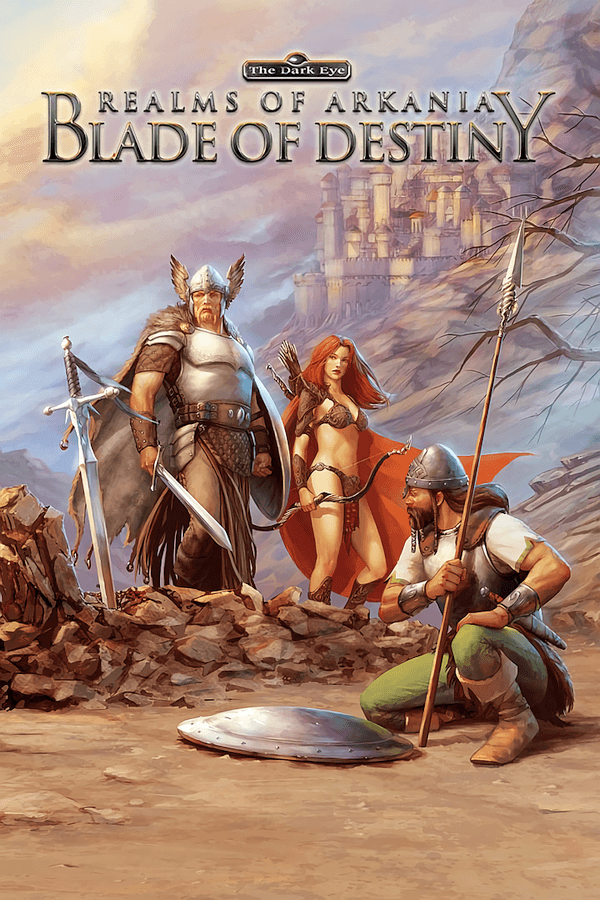

Realms of Arkania: Blade of Destiny
Realms of Arkania: Blade of Destiny asks you to save the northern lands from an invading Orc army, but its real boss is managing your party's claustrophobia, frostbite, and sudden starvation in the middle of a dungeon.
Character creation in Realms of Arkania: Blade of Destiny punishes the unprepared
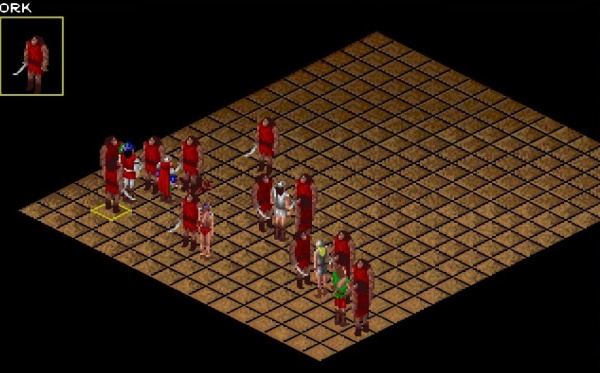
Before you step foot into Thorwal to accept Hetman Tronde Torbensson's quest for the blade Grimring, Attic Entertainment Software forces you through one of the most involved character creation systems on the PC. Based on Germany's Das Schwarze Auge tabletop rules, building a six-person party requires far more than rolling high strength or picking standard spells. Every hero is defined by standard positive stats, but they are equally shaped by explicit negative attributes.
Ignore those negative traits, and the game will happily wreck your campaign hours later. Send a dwarf with high claustrophobia into a narrow 3D dungeon, and they may panic, refusing to step forward into the dark. A character with high avarice might try to pocket loot instead of helping the team, while someone with a violent temper can derail a peaceful encounter. It creates a party that feels volatile and human, but it also means a single bad build choice during your first hour can echo through the entire two in-game years you are given to find the map pieces.
Wilderness travel turns simple journeying into brutal micro-management
Most 1992 RPGs treat travel between towns as a brief fade-to-black or a series of random monster encounters. Attic Entertainment Software took the opposite route, turning the map interface into a grueling survival simulation. Moving from Thorwal to Prem requires managing hunger, thirst, fatigue, and physical illness for every individual in your group. If your heroes do not have warm clothes when cold weather hits, they freeze; if they drink bad water, they get sick and suffer attribute penalties that persist long after the fever breaks.
This endless bookkeeping split reviewers right down the middle upon release. German outlets like Aktueller Software Markt praised its fidelity to table-top rules with a 92/100, while Computer Gaming World columnist Scorpia bounced hard off the endless micro-management. She wasn't wrong to complain. Having to stop every few leagues to set up camp, assign guards, hunt for food, and forage for herbs slows the pace to a crawl. Yet, that friction gives every journey real stakes, making a clean arrival at a new city feel like an actual victory.
Tactical combat and game-breaking dungeon hazards
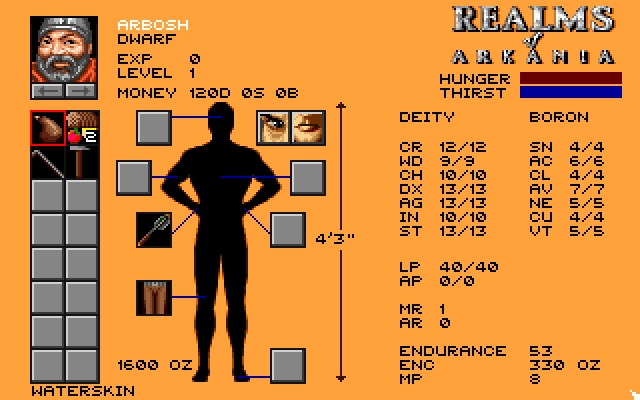
When trouble starts, the game shifts from its first-person exploration view to a top-down isometric grid for turn-based combat. Range, action points, weapon durability, and line-of-sight all come into play. Your mages can cast devastating spells, but spell points restore slowly, making resource preservation key. A random ambush by basic brigands on a dirt road can turn lethal if your primary fighter is exhausted from marching or suffering from an untreated wound.
The dark side of this complexity is a level of unforgiving design that can outright ruin a playthrough. The classic 1992 MS-DOS release is infamous for campaign-ending oversights and bugs. For instance, lighting a fire inside specific spider-infested dungeons can crash the software or corrupt your saved state entirely, forcing a hard restart. Combined with severe difficulty spikes during random road encounters, playing without multiple backup saves is an invitation to heartbreak.
- Turn-based grid combat demanding careful positioning and line-of-sight management.
- Non-combat skills like lying, streetwise, and geography that dictate city interactions and wilderness survival.
- A strict overall time limit of two in-game years to locate the pieces of the treasure map.
What holds up today and what should stay in 1992
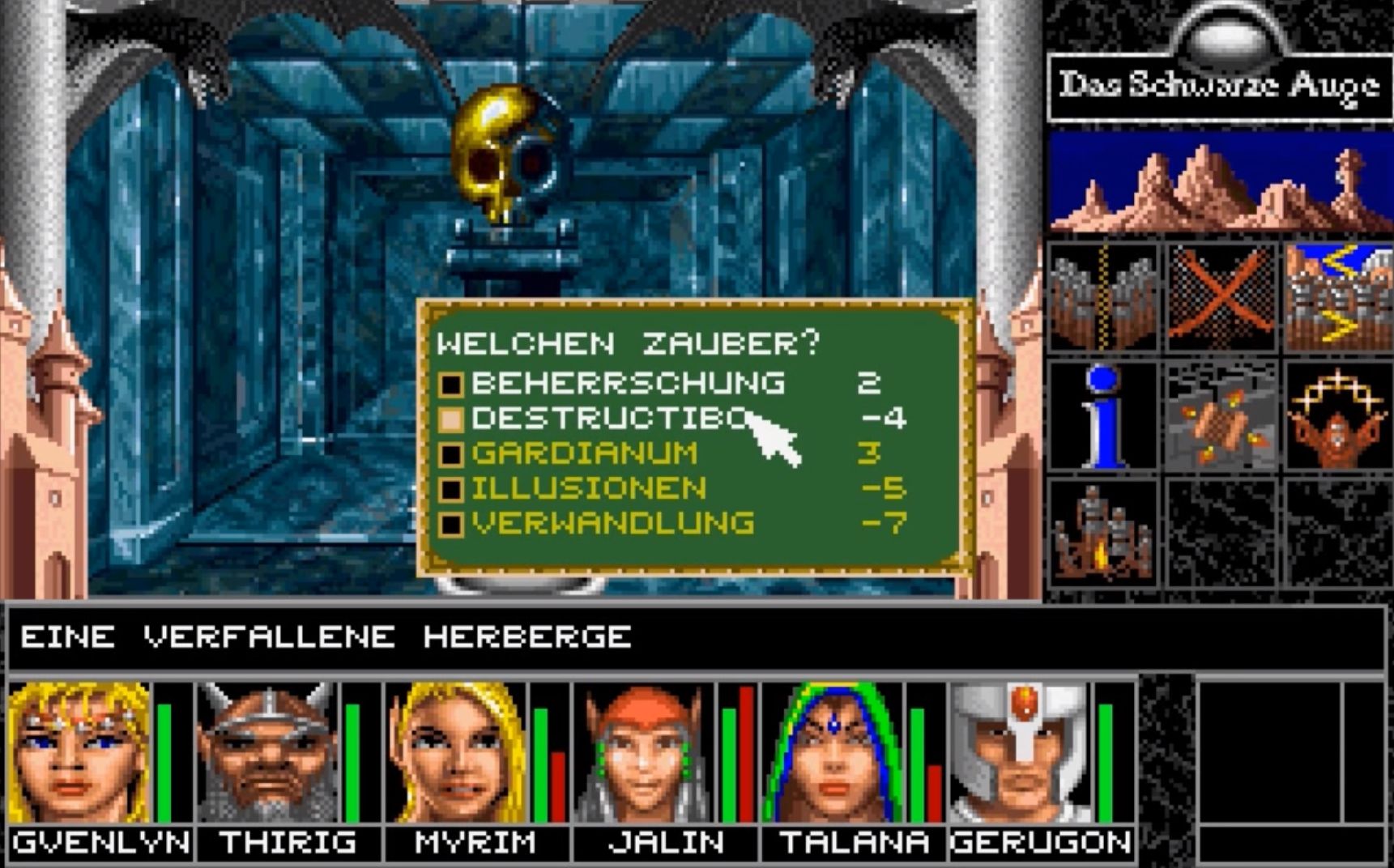
Looking back, Blade of Destiny is a fascinating mix of brilliance and agony. The depth of its party mechanics and the sheer scope of its Aventuria setting were staggering for a role-playing game of its time, easily matching the mechanical density of the Wizardry or Ultima series. Rudolf Stember’s sound design and music gave the town streets and dark forests a distinct atmosphere, especially if you were lucky enough to run it through a Sound Blaster card back then.
What plainly fails to hold up is the sheer hostility toward the player's time. The survival systems cross the line from authentic detail to tedious waste when you are forced to spend ten minutes managing rations just to walk three hexes on a map. If you enjoy deep, uncompromising party management where every silver piece and blanket matters, it stands out for its grit. If you hate aggressive micro-management and timer-based main quests, it will feel like a second job.
How to play Realms of Arkania: Blade of Destiny online today
You can jump straight into the DOS classic without hunting down old boot disks or tweaking system memory settings. You can play Realms of Arkania: Blade of Destiny free in your browser right here, with full mouse and keyboard support ready from the first click.
Modern players getting into the Fantasy Productions classic for the first time usually make the mistake of creating a party focused purely on combat stats. Do not neglect utility skills like herbalism, hunting, and survival skills during your initial character creation. Without someone who can pick locks, forage for food, and heal basic diseases, your party will starve to death in a cold ditch long before they ever reach the Orc army.