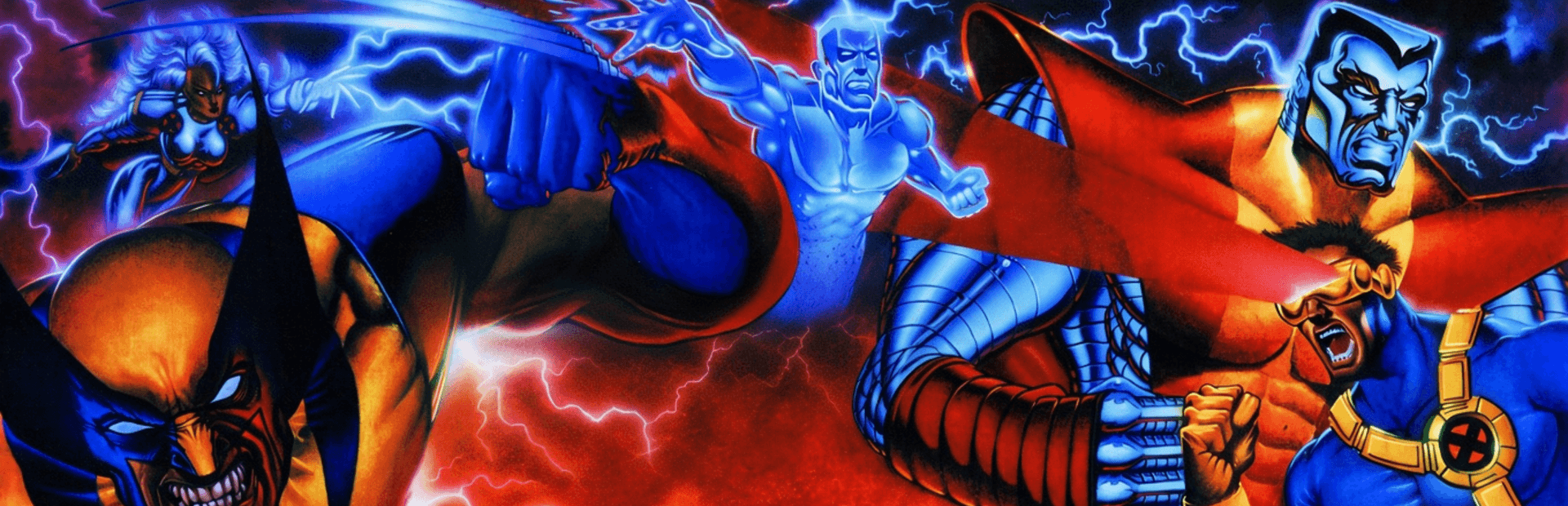
When Capcom brought X-Men: Children of the Atom to the PC in 1997, they delivered the high-flying super jumps and multi-tiered arena collapses of arcade fighting straight onto MS-DOS monitors.
Fighting games on PC rarely felt this explosive before 1997
Before this conversion arrived, arcade ports on PC were notoriously hit or miss. Coded by Probe Entertainment and brought to store shelves by Acclaim Entertainment, this port brought Capcom's 1994 coin-op engine straight into the DOS era. It showed that PC hardware could handle the massive character sprites, frantic combo chains, and screen-shaking special attacks that arcade regulars had been throwing quarters at for years.
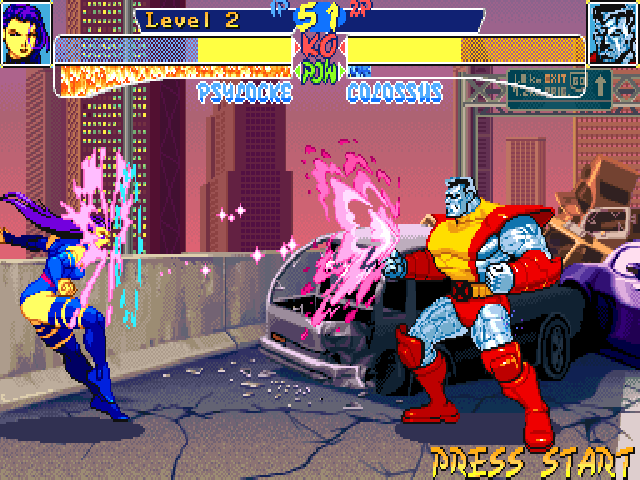
You pick from six main heroes, Wolverine, Cyclops, Psylocke, Storm, Iceman, and Colossus, or select four playable villains including Omega Red, Sentinel, Silver Samurai, and Spiral. Capcom brought over the actual voice cast from the popular 1990s animated TV series, so hearing Cathal Dodd grunt as Wolverine or Catherine Disher yell as Psylocke and Storm gave the matches an authentic kick. The battlegrounds themselves were built to break, letting characters crash through concrete floors to continue beatdowns on lower levels.
Among action games on PC at the time, seeing a fighting game render full-screen anime art with smooth animation was rare. You could even enter a secret code at the character select screen to play as Akuma from Street Fighter, bridging two very different fighter universes before crossover games became standard practice.
Master the super meter or get crushed by late-stage AI
The flow of combat revolves around building up your X-Power meter at the bottom of the screen. Performing basic attacks, taking hits, and throwing projectiles fills this gauge through multiple levels. Once you max it out, you unlock character-specific X-Abilities or devastating Hyper X super moves, like Cyclops firing a screen-filling Mega Optic Blast that drains half a health bar in seconds.
The combat mechanics reward aggressive movement and precise defensive roll timing:
- High-velocity super jumps that let you launch high into the sky to chase airborne opponents.
- Tech rolls that allow your fighter to recover instantly off the floor and avoid wake-up pressure.
- Manual projectile aiming that lets characters redirect beams and energy blasts mid-flight.
- After-KO taunts where pressing Start lets you keep hitting an opponent even after their health bar empties.
There is also an amusing quirk hidden inside the game's artificial intelligence. This was the very first fighting game where the computer opponent actually struggled to track an invisible opponent. If you activate Psylocke's invisibility special, the CPU genuinely gets confused and swings at empty air, giving you a rare tactical advantage over a system that usually reads your inputs.
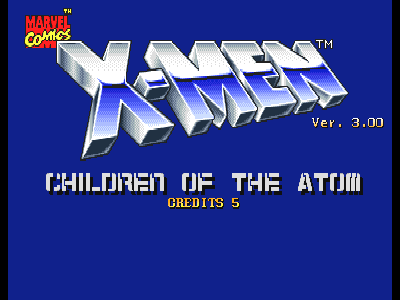
Where the MS-DOS version of X-Men: Children of the Atom loses its shine
While the conversion looks incredible, living with the 1997 PC release meant wrestling with hardware setup. Installing the game meant dealing with setup utilities like DOS Display Doctor and choosing odd monitor resolutions just to get a stable display output. Worse, the actual feel of movement on a keyboard or standard PC gamepad felt slightly stiffer compared to the smooth response of the arcade original.
The single biggest failure of the DOS conversion was local multiplayer. Fighting games live or die on sitting next to a friend and slamming buttons, but this port struggled to support two simultaneous six-button controllers properly. Because mapping twelve buttons across older PC game ports was a technical nightmare, what should have been a staple head-to-head game turned into a mostly solo affair against the computer.
That single-player focus exposes the brutal input-reading AI. By the time you beat the eight main fighters and reach the two unplayable bosses, Juggernaut and Magneto, the difficulty becomes absurd. Magneto does not play by human rules, he blocks almost every normal approach and counters with infinite armor moves. Beating him on higher difficulty settings usually forces you to abandon stylish combos and rely on repetitive, cheap exploitation tactics.
The final fight against Magneto will break your patience
In a typical match, you start by spacing out your opponent with long-range pokes, keeping an eye on your meter. Playing as Wolverine, you might launch a claw dive, roll out of a counter-attack, and trigger a super jump to catch Storm mid-air before she can set up a whirlwind. The game moves at a blistering pace when you land a multi-hit combo and end it with a Hyper X move that knocks your rival down through the floor.
When you reach Juggernaut, the game changes from a rhythmic fighter to a test of endurance. Juggernaut takes massive space on screen and absorbs damage without flinching. If you try to trade hits with him, his headbutt and steel beam swings will wipe out your health bar in three hits. You end up jumping backward, throwing low light attacks, and abusing projectile recovery windows just to chip away his massive life bar.
Magneto is even worse, hovering above the ground and tossing energy fields that trap you in place. Unless you save your X-Power meter specifically to break his shields or catch him during his brief attack animations, he will trap you in the corner and lock you into inescapable hit routines. It is frustrating, but finally landing that winning KO blow against the Master of Magnetism offers a genuine rush of victory.
Step back into the ring with X-Men: Children of the Atom online
The visuals, voice work, and energetic combo mechanics remain fantastic, even if the brutal boss fights and clunky setup options aged poorly over the decades. If you enjoy retro fighting games and want to see where Marvel fight mechanics originated, taking a run through the arcade ladder is well worth an evening.
You can play X-Men: Children of the Atom free in your browser right now, skipping all the old monitor resolution headaches and driver setups. Fire up the X-Men: Children of the Atom MS-DOS game, pick Wolverine or Cyclops, and experience Capcom's first Marvel fighter in your browser with zero hassle.