Screenshot2mo ago
Z
Streaming build
Checking storage…
Preload in background
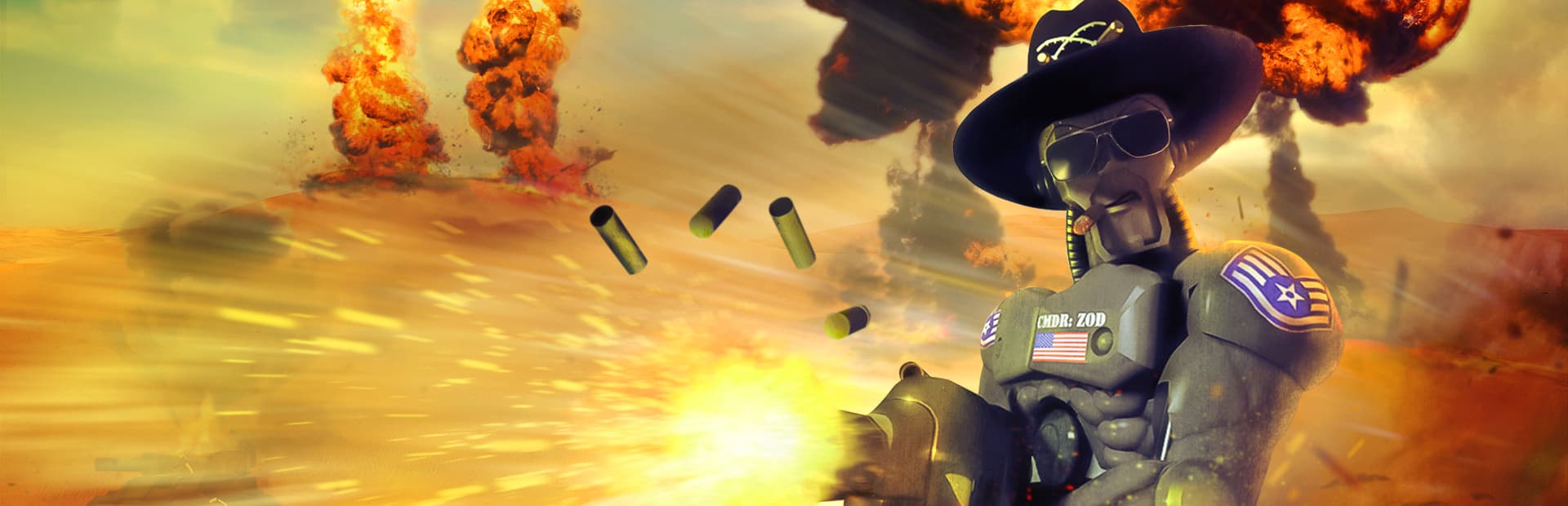
The 1996 real-time strategy title Z stripped away resource harvesting to create a hyper-aggressive battle for map control. Created by The Bitmap Brothers, its intense sector-capturing mechanics still punish passive play nearly thirty years later.
Z replaces traditional base building with territory capture
Most strategy games in 1996 asked you to mine crystal or chop wood before building an army. Z threw that design out completely in favor of raw territory control. Instead of harvesting resources, you fight for control of map sectors, some of which contain manufactories that produce additional units.
To claim a sector, you simply touch the flag standing inside its borders. If you capture the sector before a new unit emerges from its manufactory, that unit immediately becomes yours. This mechanism creates a continuous tug of war across the entire battlefield.
Your ultimate objective is straightforward: destroy the opponent's command fort while protecting your own. The game differs from many other RTSs by emphasizing territorial control and manufactories instead of accumulating kills and gathering a massive army. You have to finely balance defense and offense from the first second of a match.
The frantic rhythm of early Z gameplay
The opening five minutes of a match feel like a frantic land grab. If you wait too long, the computer opponent will grab all the manufactories first. Yet if you move too fast, you will get hammered for stretching your lines far too thin.
You field six distinct robot unit types, each defined by unique armaments, armor ratings, and movement speeds. Grunts and psychos handle quick scouting, while heavier toughs, snipers, laser robots, and pyros deliver heavier firepower. They are backed by vehicles ranging from fast jeeps to heavily armored tanks.
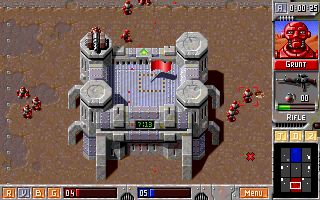
Smart automation keeps the focus on high-level decisions rather than micro-management. If you send a group of soldiers toward an objective and they find an unmanned vehicle, one soldier automatically splits off to grab it. You can even hijack enemy armor by shooting the driver off, leaving an intact vehicle ready for your own squad to claim.
This dynamic makes reading Z gameplay feel like a non-stop tactical puzzle. A single stray bullet killing a tank driver can flip an entire flank in seconds.
Hardware limits pushed this 1996 Z MS-DOS game to the edge
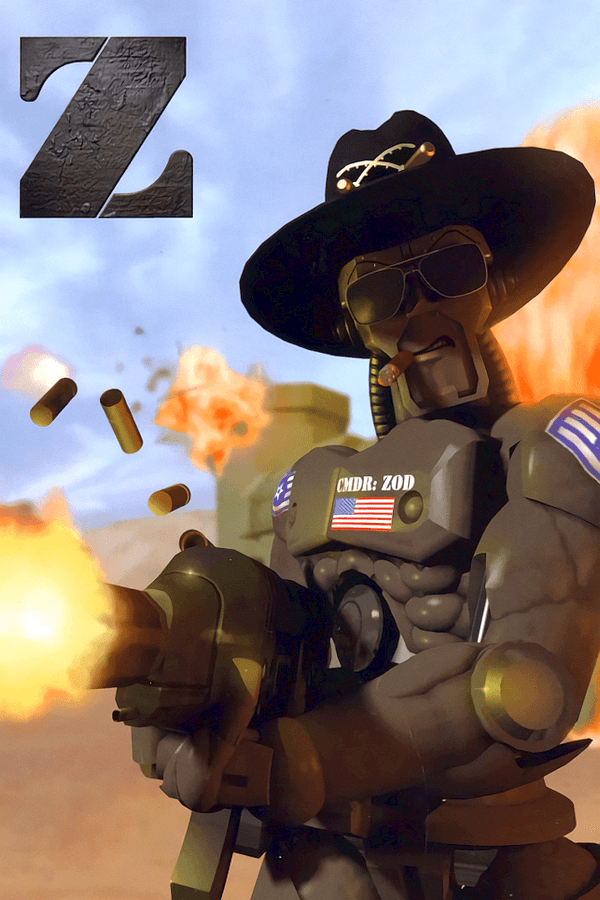
Published by Virgin Interactive Entertainment, Inc., this Z MS-DOS game arrived during a pivot point for PC hardware. Running in SVGA resolution, the engine rendered lush terrain across five distinct alien worlds, from volcanic reaches to frozen ice sheets. Cutscenes featured rendered comedy skits with Commander Zod barking orders at two slacker supply pilots.
However, running high-speed artificial intelligence without modern pathfinding hardware presented real constraints. To keep processing snappy on 1996 CPUs, pathfinding sometimes stumbles around tight choke points and bridge crossings. Infantry squads can get stuck on geometry when reacting to sudden threats.
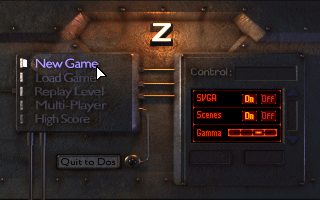
The control scheme also reveals its age. You cannot set complex waypoint loops or queue detailed production orders across distant factories easily. When three sectors fall simultaneously, managing the crisis demands furious clicking across the minimap.
Unforgiving AI turned skirmishes into brutal snowball fights
What makes Z genuinely brutal is how fast a minor tactical blunder snowballs into defeat. Because manufactory speed scales directly with held territory, losing two early sectors doubles your unit build times while halving your enemy's. The game offers no rubber-band mechanics or catch-up income.
The AI does not hesitate to exploit a gap in your line. It harasses your perimeter constantly, grabbing flags the moment you look away. In my first playthrough of level eight, I lost my entire armored push because I left a rear flag undefended for fifteen seconds.
Here are the key factors that decide every skirmish in the game:
- Flag ownership directly determines unit production timers for all captured manufactories.
- Open vehicles and field guns can be captured or stolen by shooting their operators.
- Command forts can be destroyed through heavy bombardment or captured directly by entering them.
- Territorial expansion reduces your defensive density, leaving remote flags vulnerable to swift raiding parties.
The absence of mid-mission saving within individual levels means a single missed driver sniper-shot forces a full restart. That total lack of forgiveness will send many modern players reaching for level skip codes after thirty minutes of relentless pressure.
Why accurate preservation matters for Z today
Writing an honest Z review today requires acknowledging both its brilliant design vision and its sheer brutality. The sector control system directly prefigured modern tactical RTS design by a decade. Yet the relentless speed and strict difficulty curve make it a difficult game to casually drop into.
For historical archives, preserving the exact DOS executable is essential. Modern source ports and mobile re-releases often altered the game speed, changing unit response times and breaking the original AI balancing. I found that playing the unthrottled DOS binary in an emulator restores the precise, knife-edge tension the developers originally intended.
Curating metadata, original box material, and community speedrun logs ensures this unique design experiment remains accessible. Anyone interested in the evolution of tactical real-time strategy should spend an afternoon wrestling with Commander Zod's unforgiving robot armies.
No reviews yet
Tell the community what you think of Z. Reviews are public and tied to your username.
No archived manuals for Z yet
No manuals archived for this title yet. Sign in to upload the first scan.
Cheat codes, console commands and memory pokes for Z — each one verified and attributed.
Sign in to submitNo cheats yet for this title
Know a working cheat, poke or trainer? Add it with the button above. Moderators check every entry before it goes live.
No archived soundtrack for Z yet
No soundtrack archived for this title yet. Sign in to upload the first rip.
No save states for Z yet
No save states for this title yet. Sign in to share one.
Discussions
Sign in to post- Threads0
- Total posts0
- Online now6
Community · Z
Who's contributing, and what's new
- Reviews0
- Threads0
- Uploadsapproved1
- Contributors1
Recent activity