The Digital Antiquarian charts the fall of John Romero's Ion Storm
Ion Storm spent millions on a Dallas penthouse office with an indoor waterfall before shipping a single game, and The Digital Antiquarian has unpacked the exact moment the rock-star developer hub began to crack.
The fall of ion storm began long before the studio closed its doors, rooted in a culture where rockstar bravado mattered far more than meeting basic software deadlines. When Stevie Case defeated John Romero in a 1997 Quake rematch, she earned a front-row seat to the most expensive experiment in nineties game development.
Before the penthouse, a 1997 deathmatch changed everything
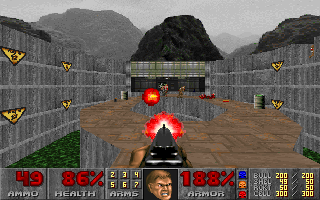
Before she ever set foot in a game studio, Stevie Case was an undergraduate at the University of Kansas targeting law school and a career in public service. That plan hit a wall the moment her dorm mates introduced her to DOOM and Quake. Playing under the handle KillCreek, she built a reputation in midwest LAN tournaments, eventually catching the attention of John Romero himself.
Romero took the bait, set up a best-of-three Quake match in Dallas, and lost. He smashed his keyboard in frustration and posted the agreed-upon tribute page on his website. That single match pulled Case out of college and dropped her straight into the Dallas scene, where she started in tech support and community outreach before moving into design.
Where luxury squeezed out actual work in the fall of ion storm
Ion Storm in 1997 operated less like a software developer and more like a record label burning through money. The studio set up shop on the fifty-fourth floor of the Chase Tower in Dallas, complete with custom glasswork and a massive movie room. I remember watching studios spend six figures on office decor while back at home we fought IRQ conflicts just to get a sound card working alongside a serial mouse.
While management collected magazine covers, Case carved out a real position in the early tournament scene. She drew constant attention from mainstream media outlets looking for a fresh face in early e-sports, balancing the publicity with actual work on the floor. She eventually joined the team building levels for Daikatana, inherited a project already drowning in scope creep, and tried to help haul it across the finish line.
The studio culture rewarded high-stakes rivalries and public grandstanding over daily bug tracking. Spending a fortune on granite floors feels fine until you realize your engine swap just erased twelve months of work. The team decided to ditch the original engine to switch to the newer Quake II tech mid-development, resetting the clock for everyone involved.
Why raw talent couldn't fix production line chaos
Romero's approach to design had produced exceptional multiplayer combat in earlier years, but managing a massive studio required boring administrative discipline. The team lacked the structure needed to hit delivery dates, and small problems quickly grew into disastrous delays.
If you play the fall of ion storm retro game releases today, the cracks in that philosophy show up immediately. Level flow felt uneven, artificial intelligence companions kept dying in doorways, and the overall fall of ion storm gameplay suffered from ideas that never fit together cleanly.
A typical production cycle at the studio usually ran through a predictable loop:
- Public announcements promised feature lists that no existing engine could support.
- Engine changes forced level designers to toss out months of completed work.
- Key staff members resigned due to burnout, forcing new hires to start over.
- Crunch hours stacked up while the final ship date kept sliding back.
Case resigned from Ion Storm in early 2001 to co-found Monkeystone Games with Romero and Tom Hall. The whole saga proved what every programmer already knows: hype doesn't compile code.
Firing up the shareware is still the best move
You don't need to suffer through broken sidekicks and bad pathfinding to understand what made nineties shooters great. The design choices that worked back then were built on tight movement, sharp weapons, and maps designed specifically for fast deathmatches. That core loop remains solid, even if the studio behind it went up in flames.
If you want to experience the speed that started the whole feud, skip the penthouse drama entirely. I still keep a folder of classic 1996 shareware files on my drive, and opening up those original maps takes seconds in a modern browser window. Try playing a few rounds of early deathmatch tonight to see how simple movement and clean map geometry made shooters worth arguing over in the first place.
Source: The Digital Antiquarian