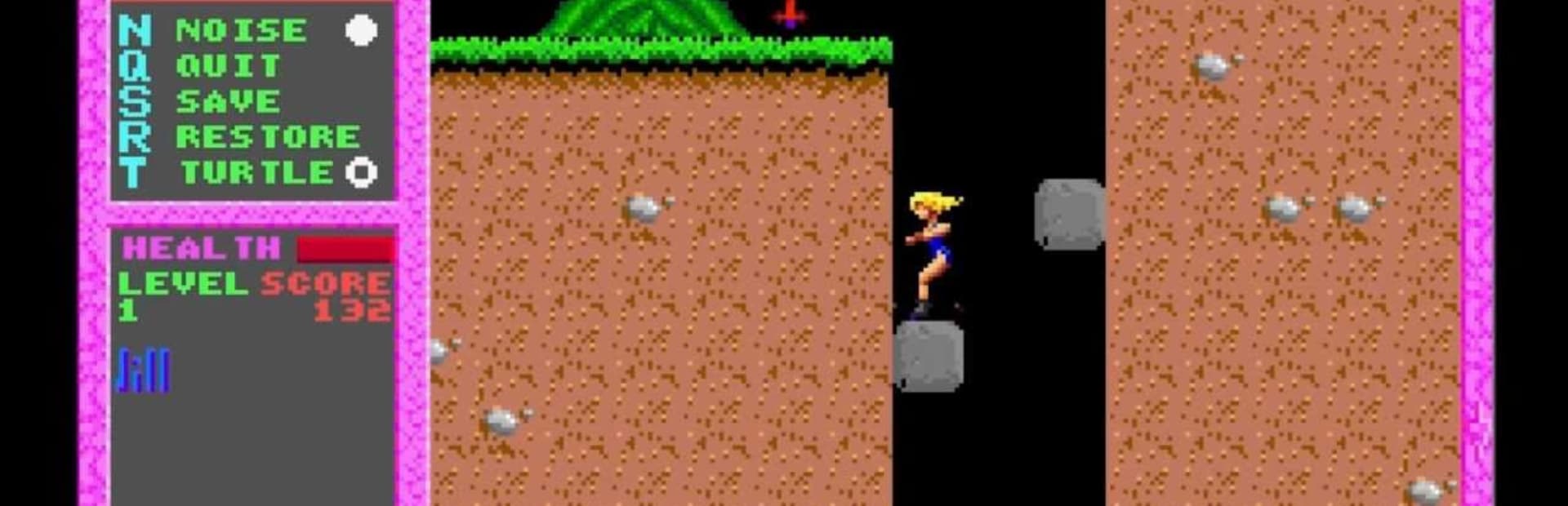
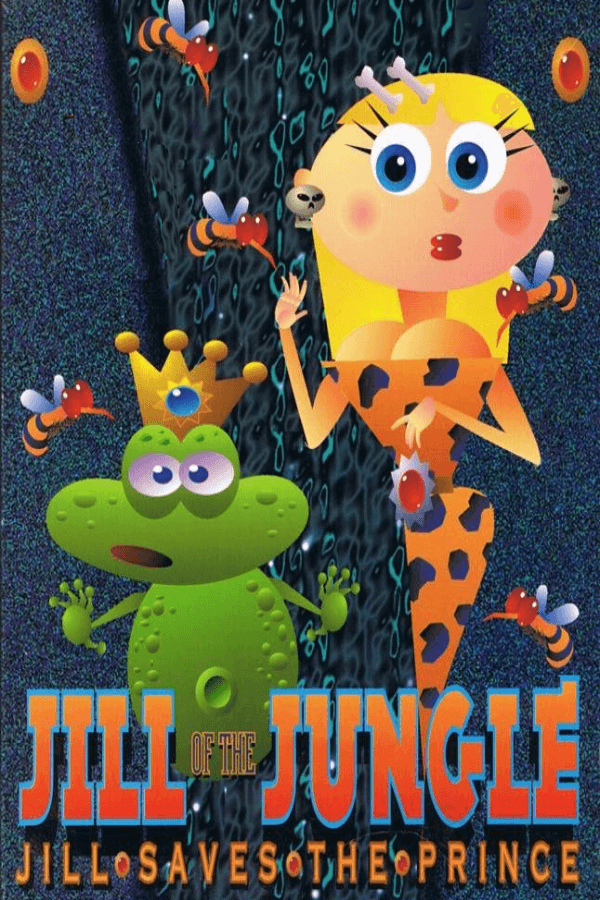

In Jill of the Jungle: Jill Saves the Prince, Tim Sweeney turned the standard platforming rescues upside down by sending a knife-throwing heroine to rescue a prince kidnapped by land-developing green lizardmen.
How Jill of the Jungle: Jill Saves the Prince changes the formula
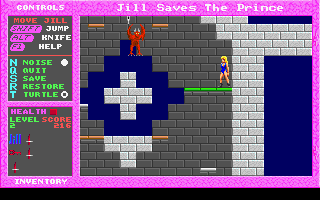
The third entry in the trilogy ditches the simple level-to-level progression of the original episode for an overworld map. You wander past names like The Aqueduct, The Aerie, and The Ship of the Giant Green Lizard Men, choosing which challenges to tackle first. It gives the episode a slightly non-linear feel, even if the ultimate destination remains fixed on rescuing your captive prince before the lizards bulldoze the jungle for condos.
Movement feels responsive whether you use a gamepad or stick to keyboard controls. Jill runs fast, jumps cleanly, and hurls daggers or a giant spinning blade that operates like a heavy boomerang. The circular blade provides real weight, sweeping through enemies and returning to your hand if you line up the trajectory correctly. Transforming into a phoenix to fly over obstacles, a frog for massive leaps, or a fish to swim through flooded sections like The Dam breaks up the basic running and jumping.
Sound design was a clear focus for Epic MegaGames in 1992. Dan Froelich composed the soundtrack using AdLib Visual Composer, translating tracks into the custom CMF format to squeeze genuine melody out of standard PC audio cards. If you had a Sound Blaster back then, you even got digitized water sounds pulled from the Amiga's Ultimate Soundtracker alongside the synthesized synth tunes.
Weak graphics and clumsy climbing hold it back
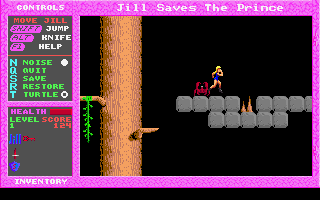
Despite smooth VGA scrolling, the visual presentation falls flat compared to console platformers of the same year. Background textures repeat constantly, and many levels look almost identical once you get past their titles. Level Eleven and Number Twelve feel particularly lazy in their naming and environmental design, reusing assets without much attempt at variation.
The animation also suffers from odd quirks. While throwing daggers while airborne feels punchy, the rope-climbing animation looks stiff and awkward. Jill awkwardly hitches herself up ropes frame-by-frame in a way that feels out of place next to the fast pace of the rest of her movements.
Puzzle design focuses on flipping switches, finding keys, and navigating mazes. Puzzles like The Mega Puzzle and The Pyramid Puzzle require simple logic, but the episode leans toward being too easy overall. Experienced platforming fans will breeze through most levels in a single sitting without encountering a major difficulty spike.
Commercial shareware roots and production quirks
Before launching the Epic MegaGames empire or writing the Unreal Engine, Tim Sweeney coded this shareware trilogy largely on his own, with art contributed by Joe Hitchens and John Pallett-Plowright. Shortly after release, the series sold 20 to 30 copies a day, proving that PC gamers would happily pay for slick shareware action.
The game engine carries fun connections to other projects from the same workshop:
- Internal level routines and code references directly tie this code base to Onesimus, another title developed alongside it.
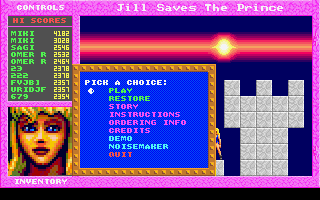
- The main game menu features a built-in "noisemaker" tool, letting players click around to play raw sound effects and music tracks.
- A direct sequel was originally planned as Jill of the Jungle II, but evolved during development into 1995's Vinyl Goddess from Mars.
You can see how Sweeney was testing the limits of standard DOS hardware at the time. By supporting everything from basic CGA up to 256-color VGA, Epic ensured the game ran on almost any IBM-compatible computer sitting on a home desk in 1992.
Why you should play Jill of the Jungle: Jill Saves the Prince today
The transformation mechanics and heavy weapon physics hold up well, even if the tile graphics look dated and the overall adventure is quite short. You can see how well Apogee understood shareware pacing right before side-scrollers gave way to 3D shooters.
If you want to experience this piece of 1992 shareware history, you can play Jill of the Jungle: Jill Saves the Prince free in your browser right now. You can jump straight into the DOS version of this classic with nothing to install and no setup required. Take a turn hurling circular blades at giant green lizardmen and see how Tim Sweeney's early engine feels today.